
Your cart
There are no more items in your cart
How to grow carrots: Complete guide to growing this vegetable
Categories :
Chronology
, Vegetables
Index
The ideal climate for growing carrots
The choice of soil and soil preparation
Irrigation and water management
Harvesting and storing carrots
FAQs (frequently asked questions) about carrot cultivation
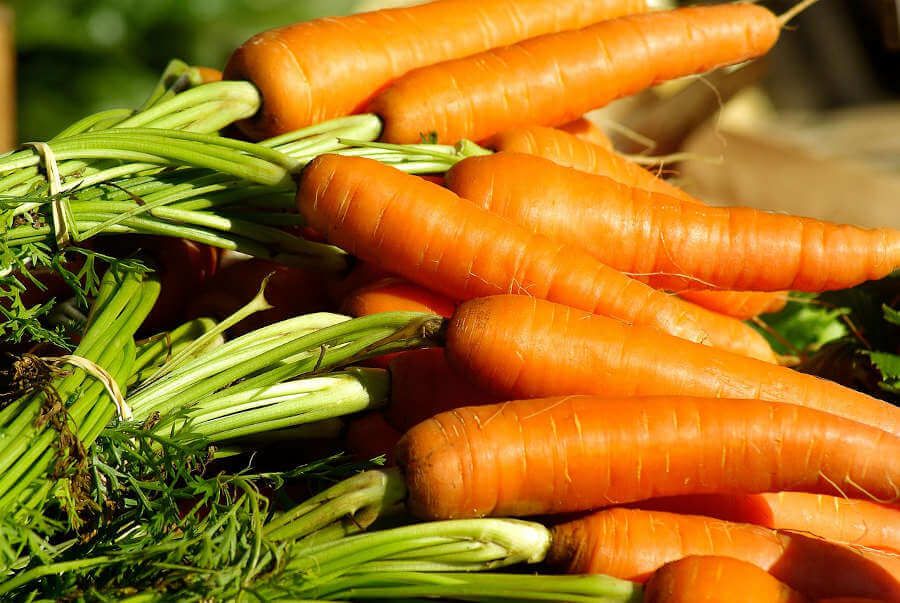
Introduction
Carrots are one of the most cultivated and appreciated vegetables in the world, thanks to their versatility in the kitchen and numerous nutritional benefits. Growing carrots requires attention to certain technical and climatic aspects, but with the right knowledge, it is possible to achieve abundant harvests even in a home garden. In this article, we'll find out everything you need to know about growing carrots, from ideal soil conditions to planting, watering, and harvesting techniques.
The ideal climate for growing carrots
Carrots prefer a temperate climate, but they are also able to adapt to different climatic conditions. However, their optimal development takes place at temperatures between 15°C and 21°C. Temperatures that are too high, above 24°C, can make the taproot fibrous and less sweet, while extreme cold risks damaging the crop.
- Ideal temperature: 15°C - 21°C.
- Preferred climates: temperate or Mediterranean, avoiding excesses of heat or cold.
Carrots can be grown throughout the year in areas with a mild climate, while in colder areas it is recommended to sow in spring or early autumn to avoid frosts.
The choice of soil and soil preparation
One of the key factors for good carrot cultivation is the soil. Carrots prefer light, sandy soils that are well-drained and rich in organic matter. Heavy or clay soils, on the other hand, tend to hinder linear root growth, causing deformation.
- Optimal pH: between 6.0 and 6.8.
- Type of soil: light, loose, well aerated and sandy.
Before sowing, it is important to prepare the soil carefully, removing stones and roots that could hinder the development of carrots. Light fertilization with mature compost or organic fertilizers will improve the soil structure and provide the nutrients needed for good growth. To promote rapid root development, it is recommended to apply
in fertigation, particularly suitable for stimulating root development in the early stages.
Do not use fertilizers with a high nitrogen content, as they favor the development of the aerial part to the detriment of the root.
Carrot planting techniques
Carrots are planted directly in the field, as this vegetable does not like to be transplanted. Carrots can be sown from the end of winter, depending on the climate of the region, and can be repeated in successive cycles for continuous harvests.
- Distance between seeds: about 1-2 cm.
- Sowing depth: 0.5-1 cm.
- Distance between rows: 20-30 cm.
A useful technique is to mix the seeds with fine sand to avoid planting too many seeds in the same spot, as carrot seeds are very small. After planting, lightly cover the seeds with fine soil and keep the soil consistently moist until germination, which can take up to 2-3 weeks.
Would you like to receive our advice? Subscribe to our Newsletter - 8% discount now for you
|
|
Irrigation and water management
Carrots need regular watering, but without excess. It's important to keep the soil moist, especially during germination, but avoid waterlogging, which can cause root rot. To ensure good tolerance to water stress, it is useful to administer
A biostimulant capable of improving the water efficiency of plants and preventing drought damage.
- Frequency: irrigate every time the soil is dry at a depth of 2-3 cm.
- Methods: Drip irrigation is the best choice to ensure even water distribution.
During the early stages of growth, water helps the roots to develop deeply. It is important to reduce watering slightly when the roots begin to stretch, to encourage more vigorous growth and less prone to malformations.
Crop care and weed management
Weeds pose a challenge in growing carrots, as they compete with plants for water and nutrients. Regular weed control, especially in the early stages, is crucial.
- Weeding: perform manual or mechanical weeding operations to keep the soil clean.
- Mulching: Apply a layer of organic mulch (such as straw or compost) to reduce weed growth and maintain soil moisture.
Another important operation is the thinning of the seedlings. After the carrots have reached about 5-7 cm in height, it is necessary to eliminate the weaker seedlings, maintaining a distance of about 5-7 cm between each plant, to allow the roots to develop properly.
Carrot diseases and pests
Carrots can be prone to certain diseases and pests that affect their yield. Some of the major issues include:
- Carrot fly - the larvae of this insect dig tunnels inside the roots, making them useless. For carrot fly control in conventional mode, Decis Evo is recommended, while in organic farming you can opt for Neemik Ten.
- Alternariosis: A fungal disease that causes black spots on the leaves and reduces plant growth. We recommend the use of Score 10 SC, a broad-spectrum systemic fungicide for those who work in conventional law. In organic farming, for prevention, it is possible to use Kyprion, a copper-based product authorized for the control of these diseases without the need for a license.
- Root rot: caused by waterlogging or pathogenic fungi in the soil.
To prevent pests, it is useful to adopt crop rotation techniques and the use of protective nets against insects.
Harvesting and storing carrots
Carrots are generally harvested between 70 and 100 days after planting, depending on the variety grown and growing conditions. To tell when they're ready, just look at the top of the taproot sticking out of the ground.
- When to harvest: when the roots are about 2-3 cm in diameter.
- Harvesting method: Gently lift the roots using a garden fork, taking care not to damage them.
After harvesting, carrots should be stored in a cool , dry place, preferably in moist sand, to maintain their freshness for longer. If stored properly, they can last up to several months.
FAQs (Frequently Asked Questions) about growing carrots
1. When is the best time to sow carrots?
The best time to sow carrots depends on the climate in your region, but it is generally sown in early spring or late summer.
2. How do you avoid root deformation?
To prevent carrots from growing deformed, make sure the soil is loose and well-drained, free of stones or compact clods.
3. How much water do carrots need?
Carrots require regular watering, keeping the soil moist, but avoiding waterlogging.
4. How to protect carrots from pests?
Crop rotation and the use of protective nets can prevent attacks by the carrot fly and other pests.
5. What is the shelf life of carrots?
When stored in a cool, dry place, carrots can last anywhere from 2 to 6 months, depending on storage conditions.
Share this content






 Chronology
 Citrus fruits
 Turf
 Stone fruit
 Olive tree
 Ornamental
 Vegetables
 Actinidia (Kiwi)
 Screw
 Hobbies and insights
 Pome Fruit


