
Your cart
There are no more items in your cart
Which indoor plants don't need light?
Categories :
Chronology
, Ornamental
Index
The best indoor plants for low-light environments
Hydration: the key to plant well-being
Common Pathologies of Indoor Plants in Low Light
FAQs (Frequently Asked Questions) About Indoor Plants That Don't Need Light
Introduction
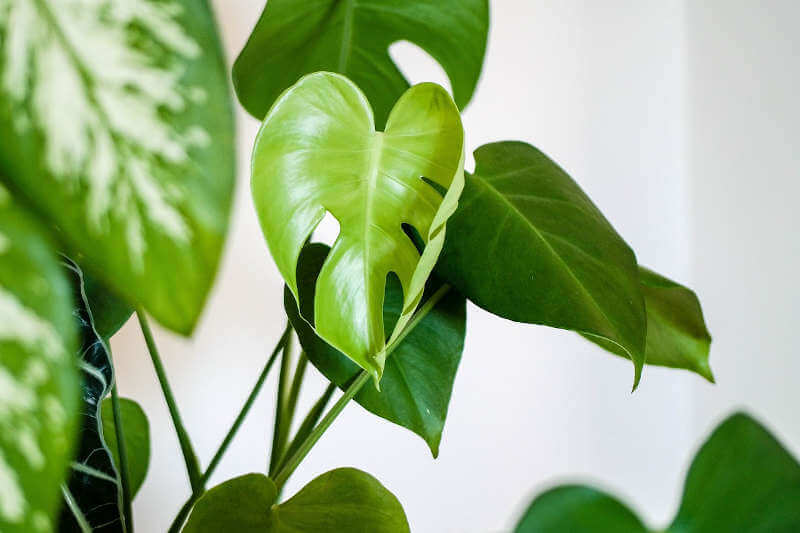
Indoor plants are an essential element to improve air quality, add a touch of greenery and make any home environment more welcoming. However, not every room in a home or office gets enough natural light. Fortunately, there are several plants that don't need a lot of light and can thrive even in low light conditions. In this article, we'll look at the best indoor plants that require little to no light, ideal for those looking to add a touch of greenery to dark or shady spaces.
The best indoor plants for low-light environments
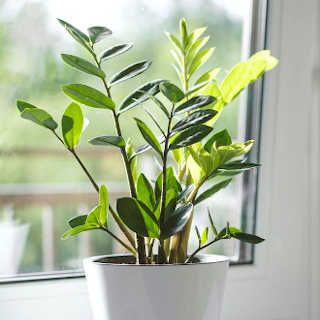
1. Zamioculcas zamiifolia (ZZ Plant)
Zamioculcas zamiifolia, commonly known as ZZ Plant, is one of the most resilient plants for indoor environments. It is perfect for rooms with little or no natural light, such as windowless bathrooms or hallways. This plant is characterized by thick, glossy leaves, which reflect even the smallest available light. Due to its adaptability and low water needs, it is an excellent choice for those who do not have much time to devote to plant care. ZZ Plant is extremely forgiving and requires little attention, making it perfect for offices and homes with low light. |
2. Sansevieria (Mother-in-Law's Tongue)
Sansevieria, commonly referred to as Mother-in-law's tongue, is another indoor plant known for its extraordinary hardiness. It grows well even in low light conditions and can withstand long periods of neglect. Its erect and rigid leaves, often with green and yellow stripes, not only add a touch of elegance to any environment, but make it ideal for those who want a plant that requires very little care. Sansevieria is also known for its ability to purify the air, making it an ideal plant for improving air quality in enclosed spaces. |

Would you like to receive our advice? Subscribe to our Newsletter - 8% discount now for you
|
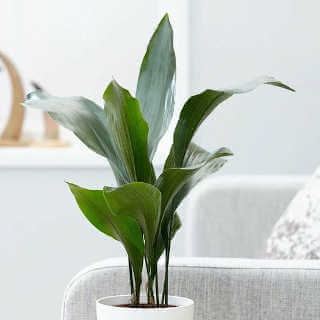
3. Aspidistra elatior (Cast iron plant)
If you're looking for a plant that's virtually indestructible, Aspidistra elatior, also known as the Cast Iron Plant, is an excellent choice. This plant tolerates low-light conditions and low humidity, making it perfect for dimly lit indoor spaces or where other plants would struggle to survive. Its broad, glossy leaves are durable and require very little maintenance. It is also not sensitive to temperature changes, making it ideal for environments where natural light is scarce. |
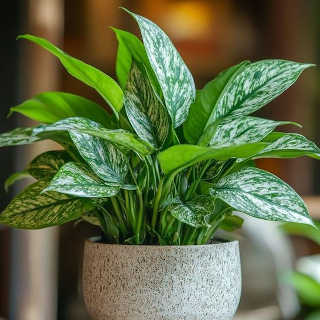
4. Aglaonema (Dragon Plant)
Aglaonema is famous for its variegated leaves and exotic appearance, making it one of the most decorative indoor plants. Although it is native to tropical climates, it adapts very well to low light conditions and does not require much water. Its colorful leaves, often with shades of green, pink or silver, make this plant an ideal decorative element for environments such as offices or rooms with little natural light. |
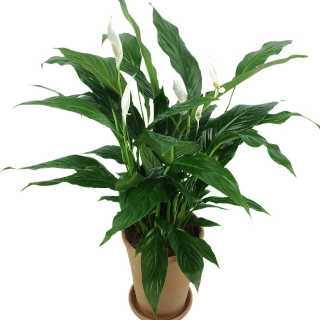
5. Spathiphyllum (Lily of Peace)
The Peace Lily is one of the most popular indoor plants, thanks to its ability to bloom even in minimal light conditions. This plant produces stunning white flowers that contrast beautifully with its dark green leaves. It is particularly known for its ability to purify the air, absorbing harmful chemicals such as formaldehyde and benzene. Although it grows best in indirect light, it tolerates low light conditions well, making it perfect for dark rooms or offices. |
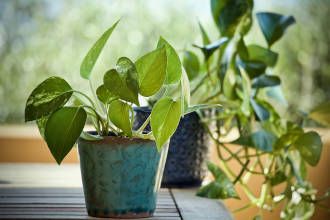
6. Pothos (Epipremnum aureum)
Pothos , also known as Devil's Ivy, is a climbing plant that grows very well in shady environments. This plant is very versatile and can be grown in hanging pots or left to grow on vertical supports. Pothos is durable and easy to care for, making it an ideal choice for those who want a plant that requires little care but offers an immediate visual impact. Although it prefers indirect light, it can survive even with minimal artificial light. |
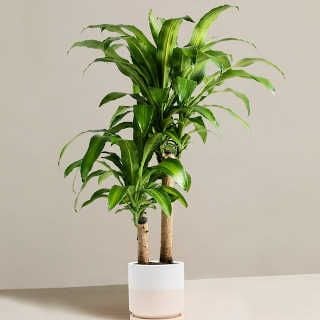
7. Dracaena
Dracaena are very versatile plants that come in different varieties. Dracaena marginata and Dracaena fragrans are among the most suitable for low light conditions. These plants grow slowly and can live for years in dimly lit environments. Dracaena is easy to care for and needs very little water, making it a favorite plant for low-light interiors. |
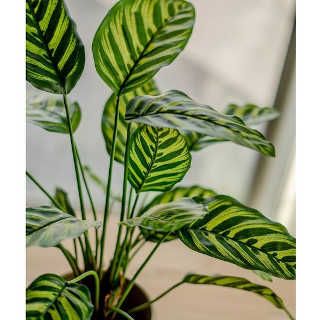
8. Calathea
Calathea is an ornamental plant characterized by large, colorful leaves, which often feature intricate patterns. It grows well in low light conditions and prefers to avoid direct sunlight, which could damage its delicate leaves. Calathea requires a moist, well-drained environment, but it's perfect for adding an exotic touch to even the darkest corners of your home. |
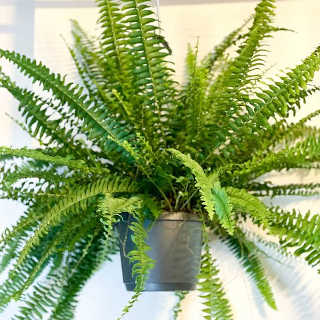
9. Boston Fern (Nephrolepis exaltata)
Ferns are ideal plants for low-light environments , and the Boston Fern is no exception. This plant loves humidity, so it is perfect for bathrooms or humid rooms. Its delicate, feathery leaves make it an elegant choice for decorating shady corners or dimly lit areas of the home. |
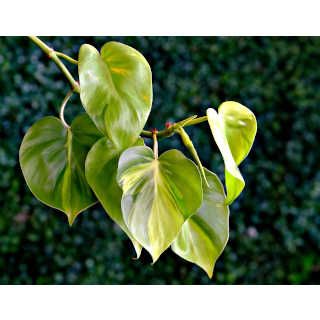
10. Philodendron
Philodendrons are highly prized climbing plants for their ability to adapt to low light conditions. They are easy to care for and require little water, making them perfect for those with little time to devote to plant maintenance. With their large, green leaves, Philodendrons can create a tropical effect even in the darkest of spaces. |
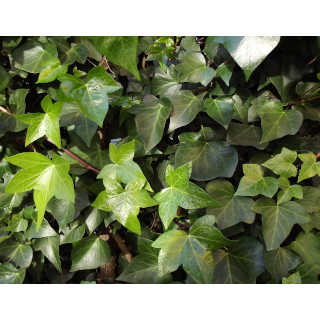
11. Hedera helix (Common Ivy)
Common ivy is a very resistant climbing plant that can also grow in shady environments. It is ideal as a suspended plant or to cover walls and vertical surfaces. It grows well even in minimal artificial light, making it a versatile plant for offices or dimly lit corners of the house. |
If you've decided to enrich your home with indoor plants that require little light, it's important to know how to keep them healthy and strong. Below, we present the best products for the nutrition and defense of your plants, ideal for those looking for simple and natural solutions.
Nutrition for indoor plants
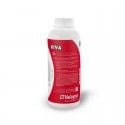
- Viva: A versatile fertilizer that you can easily mix in water. It is a product based on organic matter and enriched with iron, which guarantees plants the supply of vital microelements for their optimal balance and growth. This combination helps prevent chlorosis and improves overall plant health, even in low-light environments.
- Micosat F Uno: is an inoculum of mycorrhizae and beneficial bacteria that improve the symbiosis between plant roots and soil. By using it, a greater capacity for water and nutrient absorption is achieved, promoting a more balanced and robust growth. It is especially beneficial for indoor plants, as it helps them develop a stronger and more resilient root system.
We recommend using it with soils irrigated with Eutrofit, to improve the amount of useful organic matter in the pot.
Hydration: the key to plant well-being
Proper watering is essential to avoid both root asphyxiation and dehydration. To measure the correct soil moisture you can use tools such as probes, or here are two products that can help you maintain the hydration of your potted plants:
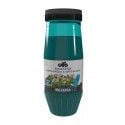
- VerdeVivo Water Supply Water: This water reserve system is the best ally to ensure that plants stay hydrated for up to 3 weeks. It significantly reduces the need for frequent watering, preventing root asphyxiation and rot.
- Aquastick Cifo Moisturizing Gel: A slow-release moisturizing gel, containing pure water, which ensures constant irrigation. Available in 350ml bottles, it keeps plants thriving and reduces watering frequency, perfect for those who want convenience and simplicity.
Common Pathologies of Indoor Plants in Low Light
Plant protection from pests
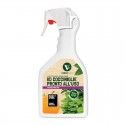
- Ko Mealybugs and Ko Aphids: These organic products are ideal for preventive action against common pests such as mealybugs and aphids. Based on natural substances, they offer effective and safe protection, maintaining the health of the plant without the use of harsh chemicals. Their repellent effect helps to avoid infestations, leaving your plants beautiful and lush.
The red spider mite
This pest feeds on the plant's linfa , stealing essential nutrients and compromising its coloration and vitality. The red spider mite finds favorable conditions especially in domestic environments, where dry air and heat contribute to its proliferation.
Why Avoid Chemicals
In the home context, it is important to avoid the use of chemical pesticides to protect the health of family members and keep the environment safe. The use of chemicals could in fact generate risks for people and pets.
Biological Strategies for the Control of Red Spider Mites
To manage spider mite infestation, prevention and the adoption of organic methods are the ideal solution. If the attack is in the early stages, you can opt for natural products that act by addiction, reducing the vitality of the parasite without harming the plant or the surrounding environment.
1. Use of Predatory Insects
An effective biological method to combat the red spider mite is the introduction of predatory insects. These natural predators, such as Phytoseiulus persimilis with the trade name SPIDEX Vital, feed on the red spider mite, gradually eliminating the infestation. They are invisible to the naked eye and do not pose any danger to the home. Once the prey is exhausted, they end their life cycle without leaving a trace.
2. Specific organic products
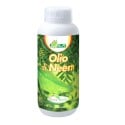
There are natural-based products such as neem oil or potassium soft soap, which help reduce the presence of the red spider mite without negative impact on the plant. These products can be applied directly to the leaves, creating a protective barrier that inhibits pest activity.
Advantages of Biological Strategies
- Safety for the home environment: the use of natural solutions ensures the safety of people and animals.
- Sustainability: the introduction of harmful chemical agents into the environment is avoided.
- Targeted effectiveness: natural predators act exclusively on pests, without harming the plant.
Managing spider mites on indoor plants requires a preventive and careful approach. Using predatory insects or specific natural products is the best strategy to protect plants and maintain a healthy environment at home.
Protection against fungal diseases
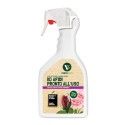
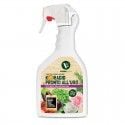
- Ready-to-use Koracid: A product based on oils of citrus essential oils and other elements that acts in a preventive and curative way against fungal diseases. Perfect for protecting plants in humid or poorly ventilated environments, where fungi can easily proliferate. Koracid helps to keep plants healthy and disease-free, ensuring healthy leaves and strong roots.
With these products, the care of your indoor plants will be easier and more effective. Keep your plants protected and well-fed, even in low light, for a green and welcoming space all year round.
While these plants are particularly resistant to low light, they can be prone to problems such as root rot or leaf discoloration if they are watered too frequently or if they do not receive enough artificial light. It is important to monitor the health of the plants and ensure good drainage of the soil to avoid water accumulation.
FAQs (Frequently Asked Questions) About Indoor Plants That Don't Need Light
1. What plants can I put in a windowless bathroom?
- The best plants for a windowless bathroom are Spathiphyllum, Sansevieria, and Boston Fern, all of which are capable of thriving in humid environments with little light.
2. Can I keep a plant in an office with only artificial light?
- Yes, plants like ZZ Plant and Pothos can thrive in offices with only fluorescent lights.
3. How often should I water these plants?
- Many of these plants, such as Sansevieria and ZZ Plant, require very little water. It is important to allow the soil to dry out between waterings.
4. Can indoor plants improve air quality?
- Yes, plants like Spathiphyllum and Dracaena are known for their abilities to purify the air by absorbing harmful chemicals.
5. Can they survive in cold environments?
- Most of these plants tolerate moderate temperatures, but it's always best to avoid extremely cold temperatures or drafts.
Share this content



 Chronology
 Citrus fruits
 Turf
 Stone fruit
 Olive tree
 Ornamental
 Vegetables
 Actinidia (Kiwi)
 Screw
 Hobbies and insights
 Pome Fruit


