
Your cart
There are no more items in your cart
Easy Plants to Keep Indoors: Complete Guide
Categories :
Chronology
, Ornamental
Index
What characteristics to look for in houseplants
The best easy plants to maintain indoors
Tips for caring for houseplants
FAQ (frequently asked questions) about easy plants to keep indoors
Introduction
Haveplants in the homenot only improves the aesthetics of the environment, but also brings benefits such as purifying the air and creating a relaxing atmosphere. However, not everyone has a green thumb, which is why it is important to chooseplants that are easy to care for, which require little attention but at the same time tastefully decorate our spaces. In this guide, we will explore a selection ofhardy house plantsthat are perfect even for those who do not have much experience in green care.
What characteristics to look for in houseplants
Choosing the right plants for your home is not just about opting for the ones you like best, but it is also important to consider factors such as:
- Exposure to light: Some plants grow best in bright areas, while others are better adapted to shady areas.
- Drought resistance: If you tend to forget to water plants, prefer those that can withstand long periods without water.
- Ease of maintenance: some plants do not need to be pruned or cared for frequently.
- Environmental benefits: Many plants have the ability to purify the air, making the environment healthier.
The best easy plants to maintain indoors
Let us now examine some of theplants that are easier to keep indoors, ideal even for those who do not have much experience with gardening.
1. Sansevieria (Mother-in-law's tongue)
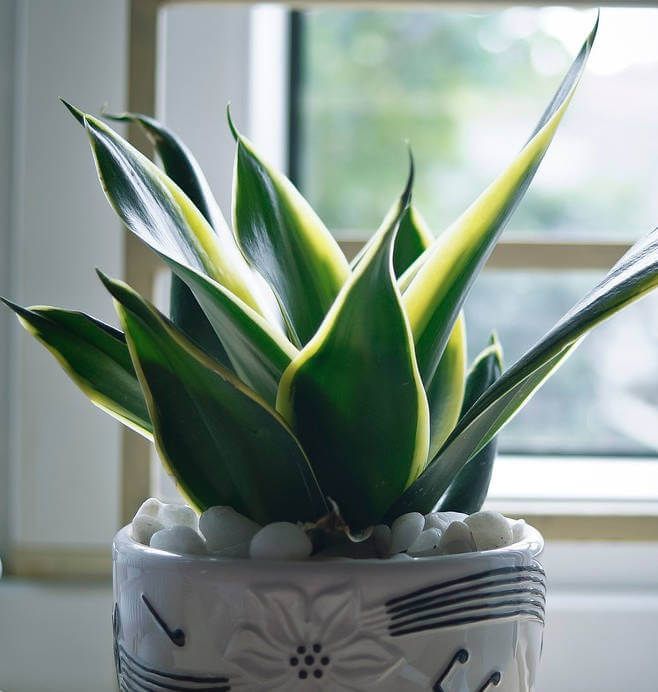
LaSansevieria, commonly known asmother-in-law's tongue, is one of the hardiest plants of all. It is famous for its ability to thrive in harsh conditions, includinglow lighteirregular watering. Not only is this plant easy to maintain, but it is also an extraordinaryair purifier, removing toxins such as benzene and formaldehyde from the home environment.
|

2. Pothos
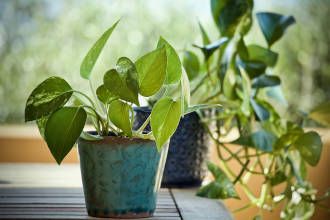
ThePothosis another popular house plant because of its hardiness and ability to grow lushly with little care. Its heart-shaped leaves and climbing branches can create a wonderful decorative effect. It is ideal for both bright spaces and those withlow natural light.
|
3. Zamioculcas (Zanzibar Plant)
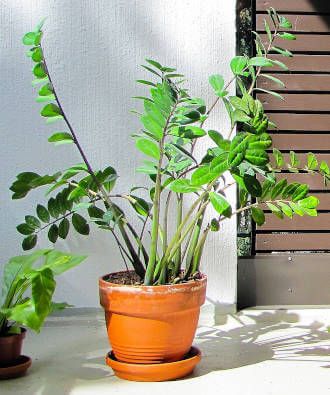
LaZamioculcas, often calledzanzibar plant, is another example of a plant that can withstand almost anything. It is loved for its elegant appearance and ability to tolerate long periods without water.
|
Would you like to receive our advice? Sign up for our newsletter - 8% discount right away for you
|
4. Aloe Vera
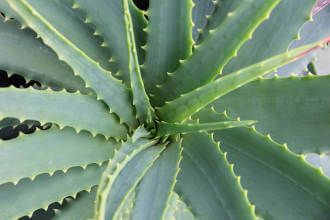
L'Aloe Verais not only a decorative plant, but also has multiple health benefits due to its healing properties. This succulent plant has few needs, growing luxuriantly even withlittle care.
|
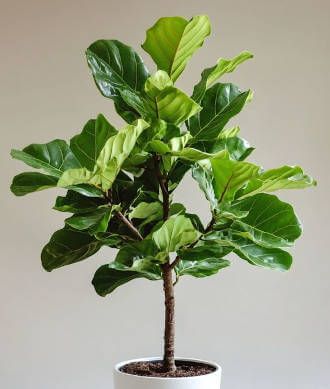
5. Ficus Lyrata
TheFicus Lyrata, with its wide, decorative leaves, is a popular choice for those who wish to add a touch oftropical eleganceto their home. While it requires a little more attention than other plants, it remains a good choice for those with some experience with greenery.
|
Tips for caring for houseplants
Even the hardiest plants need some attention to thrive at their best. Here are some helpful tips for keeping your plantsalways healthy:
- Check the potting soil: Plant soil should dry out completely between waterings, especially for succulent plants.
- Avoid water stagnation: Use pots with drainage holes to prevent root rot.
- Clean the leaves: periodically, remove dust from your plants' leaves with a damp cloth to allow better photosynthesis.
- Fertilize: during the growing season (spring and summer), add a liquid fertilizer to waterings to provide additional nutrients to your plants.
Plants to avoid for beginners
Not all plants are suitable for the inexperienced. Some require very specific conditions to thrive and may cause frustration for thegardening novices. Here are some plants that are best avoided:
- Orchids: although beautiful, orchids require careful management of watering and light conditions.
- Ficus Benjamina: this plant, while very common, tends to lose its leaves if it does not receive the right amount of light and water.
- Ferns: many species of ferns require very humid environments and can easily wilt in homes that are too dry.
FAQ (frequently asked questions) about easy plants to keep indoors
What plants are ideal for rooms with low light?
- LeSansevieria, thePothosand theZamioculcasare plants that tolerate low light well, making them ideal for rooms withlittle natural light.
How often should I water houseplants?
- It depends on the species, but in general it is best to wait until the soil is completely dry before watering again, especially for plants such asAloe VeraeSansevieria.
What plants are useful for purifying the air?
- Plants such as theFicus Lyrata, theSansevieriaand theAloe Veraare known for their ability topurify the airfrom toxins.
Can I fertilize the plants all year round?
- No, it is better to limit fertilization to thespringand to thesummer, when plants are in an active growth phase. In fall and winter, plants tend to enter a resting phase and require less nutrients.
What plants can I put in the bathroom?
- Moisture-loving plants such asferns, thepothosandbambooare ideal for the bathroom, where they can benefit from the moisture created by the shower.
Share this content


 Chronology
 Citrus fruits
 Turf
 Stone fruit
 Olive tree
 Ornamental
 Vegetables
 Actinidia (Kiwi)
 Screw
 Hobbies and insights
 Pome Fruit


