
Your cart
There are no more items in your cart
How to Prune Plants
Categories :
, Chronology
Index
FAQ (frequently asked questions) on Pruning
Introduction
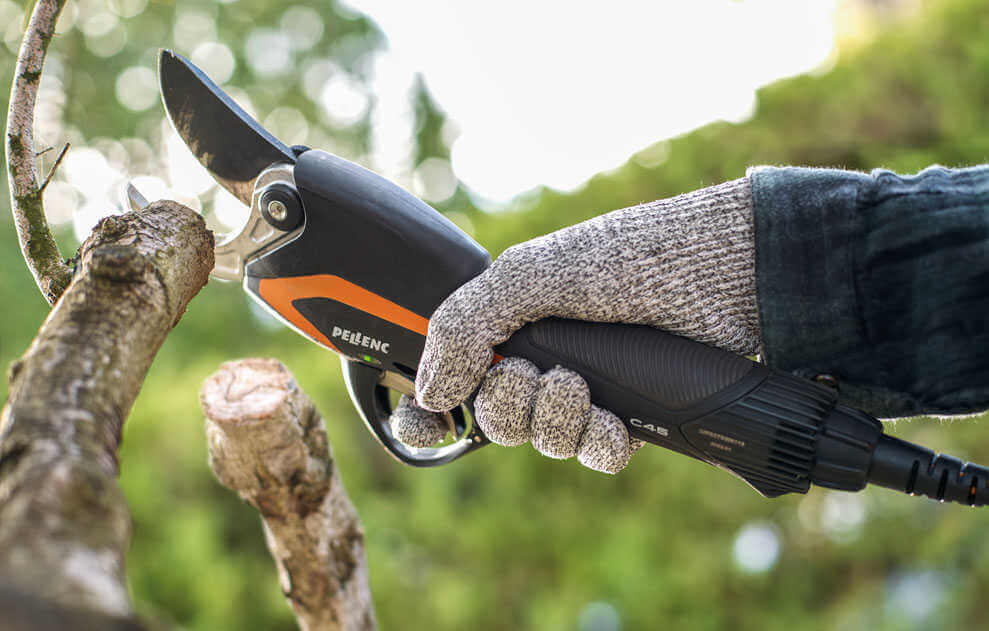
Lapruningis a fundamental practice in the world ofcultivationand themaintenance of plants. Carried out with the aim of improving the health, growth and productive yield of plants, pruning involves removing portions of damaged branches or parts to encourage more balanced and controlled development. This technique is not only limited to fruit trees, but is equally important for ornamental shrubs, trees and flowering plants, helping to prevent disease and stimulate fruiting.
Importance of Pruning
Pruning is a crucial agronomic practice for theplant managementsince it allows for:
- Promote the growth and harmonious development of the plant.
- Optimize the production of fruit or flowers by directing the plant's energy to productive branches.
- Prevent diseases and infections by improving air circulation between branches.
- Shape the plant according to aesthetic or space requirements.
Types of Pruning
Pruning is not a single process, but is divided into several types, each of which responds to specific needs of the plant and the time of year.
Pruning Training
This type of pruning is mainly done in the early years of the plant's life to give it a balanced and strong structure.Training pruningallows to create awell-distributed foliageand avoid haphazard development. It is suitable for young fruit trees and other plants that require a defined structure from the beginning.
Maintenance Pruning
It is performed to keep the plant inhealthand to preventdiseasesor infestations.Maintenance pruningfocuses on the removal ofdry, damaged or diseased branches, ensuring better passage of light and air. It is typical of already developed trees and shrubs and is done once or twice a year.
Renewal Pruning
For older plants or those in need of regenerative intervention, renewal pruning is essential. It consists of removing significant portions of branches and may seem drastic, but it is necessary to stimulate the growth of new shoots and increase productivity. This technique is usually applied to species that tend to age or lose productivity over the years.
Pruning Techniques
Carrying out proper pruning requires the use ofappropriate toolsand a good knowledge of cutting techniques, which are necessary to minimize damage to the plant.
Tools Needed
- Pruning scissorsfor thin branches.
- Battery-powered scissorsvery convenient and high-performancefor hobbyists and professionals (read our Complete guide on how to choose electric pruning shears )
- Hacksawsfor medium-thickness branches.
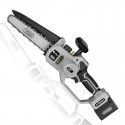
- Cordless saws for all types of branches, easy to use
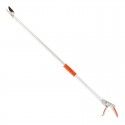
- Telescopic pruning shearsfor taller branches.
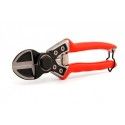
- Loppersfor thick or hard branches.
It is essential that tools are always wellsharpand disinfected to avoid transferring infections to the plant.
Would you like to receive our advice? Sign up for our newsletter - 8% discount right away for you
|
Cutting Method
The cut should be clean and precise, avoiding fraying or tissue damage. It is recommended to make the cut about 0.5 cm above a bud, tilting the blade to encourage rainwater drainage. Cutting techniques vary according to branch location and plant type:
- Cutting above a bud: stimulates the growth of the underlying bud.
- Back cutting: is used to direct the plant's growth in a specific direction, reducing longer branches.
- Crown cut: ideal for reducing the height of the plant without altering the natural shape of the foliage.
Timing of Pruning
Each type of plant requires an ideal pruning period, depending on its characteristics and seasons:
- Winter: ideal for fruit trees such as apples, pear trees and vines, during the dormant period.
- Spring: for flowering shrubs that bloom on new wood, such as roses.
- Late summer and autumn: suitable for plants that need volume reduction before vegetative rest.
Benefits of Pruning
Pruning has multiple benefits for the plant, resulting in increased productivity andincreased longevity. Some main benefits are:
- Improved production: Removing less productive branches allows the plant to direct energy to stronger and more vigorous branches, increasing flowering and fruiting.
- Increased light and ventilation: A more open canopy allows better sun exposure and air circulation, reducing the risk of fungal infections.
- Disease prevention: cutting back diseased branches prevents the spread of pathogens, preserving the health of the entire plant.
- Structure optimization: A well-formed structure prevents breakage during high winds or snowfall, increasing overall strength.
1. What is the best time to prune fruit plants?
- Most fruit plants benefit from winter pruning, during the dormant period. However, some plants such as the stone fruit trees (peach, cherry) respond better to summer pruning.
2. Is it possible to prune indoor plants?
- Yes, many indoor plants benefit from pruning, especially to remove dry parts or to shape growth. It is advisable to use clean tools and make gentle cuts.
3. How often should I prune my plants?
- Frequency varies according to the type of plant. Fruit trees and shrubs may require annual pruning, while other ornamental plants may require minor interventions two or three times a year.
4. Can I prune flowering plants?
- It is generally not recommended to prune during flowering, as it may reduce the beauty and duration of the flowering itself. For seasonal flowering plants, wait until the end of flowering.
5. What to do with pruning waste?
- I residues can be composted, unless they are contaminated with diseases. In that case, it is best to burn them or dispose of them safely to prevent the spread of pathogens.
6. What to do after pruning?
What are the right steps to ensure disinfection and protection of plants after cutting?
- Read more in our article: Good practices to carry out after pruning .
Share this content




 Chronology
 Citrus fruits
 Turf
 Stone fruit
 Olive tree
 Ornamental
 Vegetables
 Actinidia (Kiwi)
 Screw
 Hobbies and insights
 Pome Fruit


