
Your cart
There are no more items in your cart
Gummy Cancer (Cytospora spp.): Causes, Symptoms and Control Strategies
Categories :
, Chronology
Index
What is Gummy Cancer
Life Cycle of the Mushroom
Gummy Cancer Symptoms
Factors That Promote Infection
Control and Management of Gummy Cancer
Gummy Cancer FAQ (Frequently Asked Questions)
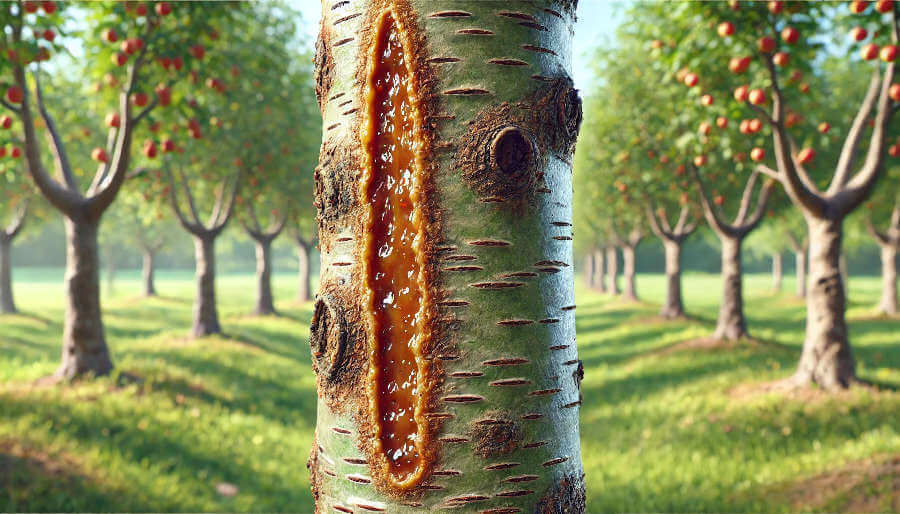
Gummy canker caused by fungi of the genus Cytospora spp. It is one of the most serious diseases affecting fruit trees and other woody plants. This pathology manifests itself through the appearance of lesions on the barks and branches, often accompanied by the emission of a resinous or rubbery substance. Cytospora attacks plants such as citrus fruits, stone fruits (peach, apricot, cherry) and many others, causing damage that can significantly compromise the productivity and health of the plant.
What is Gummy Cancer
Gummy canker is a fungal disease caused primarily by various species of Cytospora spp.tag. These fungi usually attack weak or stressed trees, penetrating through wounds in the bark, branches, or roots. The conditions of high humidity and moderate temperatures favor the development of the disease.
Life Cycle of the Mushroom
The fungus Cytospora spp. It survives on dead plant tissue, bark and pruning lesions. During wet periods, it releases conidia (spores) that are carried by rainwater, pruning tools, or insects to new areas of infection. Penetration occurs through injuries, wounds or cracks in the cortex. Once established, the fungus colonizes the vascular tissues of the plant, interfering with the transport of water and nutrients.
Gummy Cancer Symptoms
The symptoms of gummy canker vary depending on the affected plant species and environmental conditions, but there are some common characteristics:
Lesions on the bark: The formation of lesions, known as "canker," initially presents as dark-colored, depressed areas on the bark of branches or trunk. These lesions may widen and deepen over time.
Rubber emission: The infected plant often produces a resinous or rubbery substance that leaks out of the lesion. This is a defensive response of the tree to the pathogen, but it is rarely enough to stop the infection.
Yellowing and wilting: Affected branches often show yellowing, wilting, and subsequent death of the affected part. In some cases, the infection can spread to the main trunk, endangering the entire plant.
Defoliation and branch death: In advanced stages, the disease causes leaf loss and death of affected branches, reducing the plant's photosynthetic capacity and compromising its productivity.
Would you like to receive our advice? Subscribe to our Newsletter - 8% discount now for you
|
|
Factors That Promote Infection
The spread of gummy canker is aided by a number of environmental factors and cultivation practices, including:
Plant stress: Drought, overwatering, frost damage, and pruning injuries are conditions that weaken the plant, making it more susceptible to Cytospora infection.
Injuries: Any wound on the bark, whether caused by pruning, insects, or mechanical damage, is a gateway for the fungus.
Climatic conditions: Humid climates and moderate temperatures favor the germination of spores and the spread of disease.
Control and Management of Gummy Cancer
Controlling gummy cancer requires an integrated approach involving both preventive measures and direct interventions.
1. Preventive measures
- Good pruning practices: Avoid pruning during wet periods and treat wounds with fungicide products to reduce the risk of infection.
- Manage adequate irrigation: Providing adequate irrigation means avoiding long periods of drought followed by peaks of abundant irrigation, which are never the right irrigation management, as well as balanced nutrition to keep the plant healthy and able to resist the attack of the fungus.
- Tool disinfection: Disinfect pruning tools with a specific solution to prevent the spread of the fungus.
2. Removal of Infected Tissue
Removal of affected branches: Cut and remove infected branches at least 20 to 30 cm below the cancer margin, as the fungus can spread to seemingly healthy tissues.
Proper disposal: Burn or properly dispose of cut branches to prevent the fungus from spreading to other plants.
3. Chemical Treatments
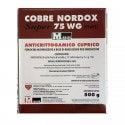
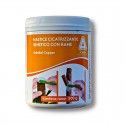
Fungicide application: There are no curative chemical treatments for gummy canker; however, applying copper-based fungicides to wounds and pruned areas can help prevent new infections. For a few cuts we recommend the Putty for Grafts with Copper, if instead you have larger surfaces we recommend Cobre nordox Super 75 WG.
Wound protection: After pruning, apply fungicidal protective paints or mastics to the wounds to prevent the pathogen from entering.
Gummy Cancer FAQ (Frequently Asked Questions)
1. Which plants are most affected by gummy canker?
Gummy canker mainly affects fruit trees such as peach, apricot, plum and cherry. However, other woody plants, including citrus fruits, can also be affected.
2. Is gummy cancer curable?
There are no definitive cures for gummy cancer. Management focuses on prevention, removal of infected tissues, and reduction of plant stressors.
3. How can I prevent Cytospora spp. infection?
You can prevent infection through good pruning, watering and balanced fertilization practices, and by disinfecting cutting tools. Additionally, applying protective fungicides to wounds helps reduce the risk of infection.
4. Can I use fungicides to treat gummy cancer?
Fungicides can be used to prevent the spread of the fungus, but they are not able to cure lesions that have already formed. Timely removal of affected branches and the application of preventive treatments are the best strategies.
5. When is it best to prune trees to avoid gummy canker?
It is preferable to prune during dry and hot periods, avoiding the wet and cold months when the fungus is most active.
Share this content


 Chronology
 Citrus fruits
 Turf
 Stone fruit
 Olive tree
 Ornamental
 Vegetables
 Actinidia (Kiwi)
 Screw
 Hobbies and insights
 Pome Fruit


