
Your cart
There are no more items in your cart
The Problem of Drought: 9 Water-Saving Tips in Turf
Categories :
Chronology
, Turf
Index
1. Use of organic matter
2. Significantly increase the cutting height
3. Deepening of the root system
4. Smart use of fertilisers
5. Avoid trampling
6. Use of mycorrhiza products
7. Use of silicon oxide, monosilicic acid and micronized zeolite (throughout the year)
8. Organic biostimulants (throughout the year)
9. Surfactants
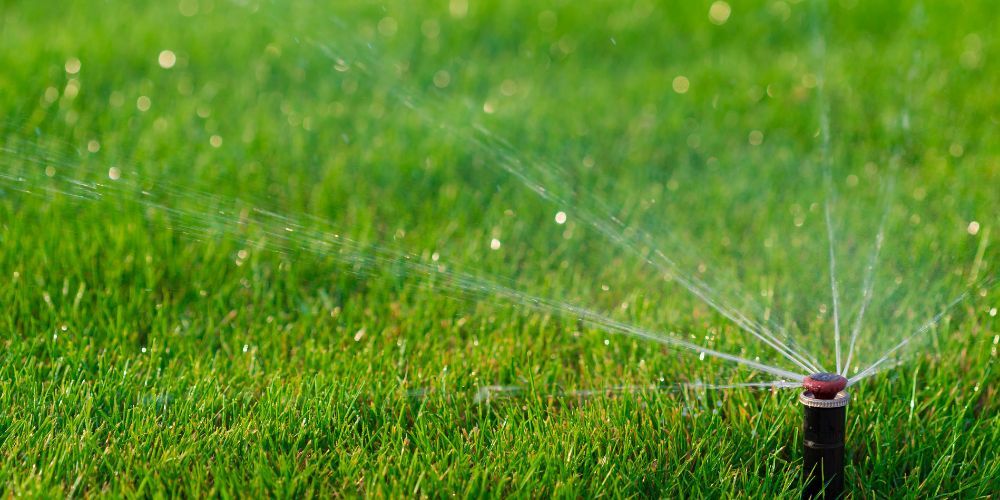
During the last two years, drought has become one of the major obstacles to ensuring a correct supply of water to the turf. Especially in the regions of Northern Italy, the problem of drought is high to the point of risking possible irrigation bans that could be imposed at any moment and that could cause serious irrigation problems for the turf. How to ensure the right amount of water for your turf, while at the same time implementing effective water savings? Perfarelalbero's technicians have developed a strategy to better deal with possible water shortages for your lawn. Here are 9 useful tips to combat turf drought:
1. Use of organic matter
The use of organic matter has the function of amending the soil, modifying its physical structure and increasing the root system. In this way, even in the presence of drought, the roots will be able to go deeper and draw on a greater water reserve.
The product we recommend is:
- Prodigy Plus, it is an organic fertilizer of plant origin, which stimulates the growth of microflora and microfauna naturally present in the soil and facilitates the restoration of microbial balance.
We recommend the use of this product approximately every 4 times a year, in the following periods:
March-April-May-June; September-October-November-December
2. Significantly increase the cutting height
In this way, thanks to the shade produced by the leaves, the soil will dry out more slowly. In addition, by increasing the height of the cut, the roots will develop deeper, exploring larger volumes of soil and improving water absorption . When to increase the cutting height? Our advice is to proceed with this type of operation before the arrival of the heat and to increase the height by 2 - 3 centimeters.
3. Deepening of the root system
From the vegetative restart, but especially in autumn, it is essential to deepen the root system, so that the roots can draw on a greater water reserve. How can we increase the root system?
The solution is to use the right agronomic practices: aeration and drilling (to ensure air in the soil), greater cutting height and deep and infrequent irrigation. Attention! We advise you to proceed with these agronomic practices after winter and after summer.
Would you like to receive our advice? Subscribe to our Newsletter - 8% discount now for you
|
|
4. Smart use of fertilisers
Especially during the summer, it is important not to overdo it with nitrogen. In the event of excess nitrogen, in fact, the plant, which has spent a lot of energy to assimilate it, may require an excessive amount of water.
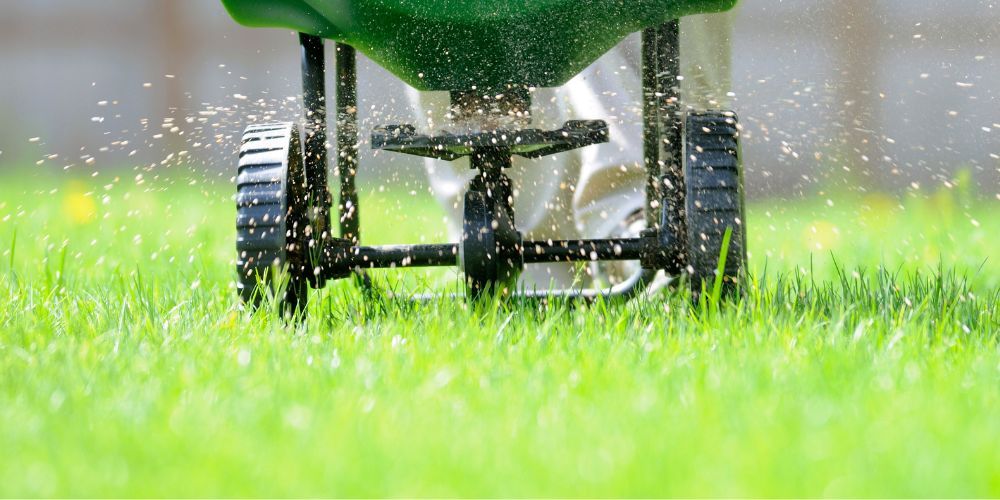
Therefore, we recommend the use of fertilizers suitable for lawns and to avoid ready-to-use fertilizers. The latter, in fact, only cause exaggerated growth peaks, risking a demand from your turf for excessive doses of water after their administration.
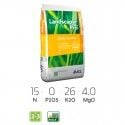
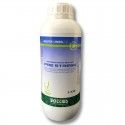
In this case, we suggest a fertilizer with a specific technology: Poly-s.
It is a particular type of technology that reduces the amount of nitrogen released into the environment and, thanks to the sulfur-based coating, increases both the nutritional value and the quality of crops. In this case, the product we offer is:
5. Avoid trampling
By avoiding stepping on the lawn, especially during peak hours, you will allow your turf to become less stressed and, therefore, decrease the water demand.
6. Use of mycorrhiza products
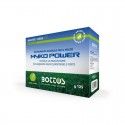
If well inoculated, developed and maintained in the soil, mycorrhizae are able to increase natural biomass and help your turf a lot in periods of water stress. The mycorrhizal product we recommend is:
- Myko Power, the fungus-plant symbiosis improves the performance of the turf, providing it with a higher amount of nutrients.
When and how often to use Myko Power?
We recommend its use 5 times a year in the following periods: March-April-May; September-October
7. Use of silicon oxide, monosilicic acid and micronized zeolite (throughout the year)
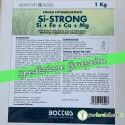
The use of these three products causes the formation of an insulating and protective layer on the leaf. By reducing evapotranspiration, your lawn's water demand will be lower.
Attention: We recommend that you use these three products throughout the year.
8. Organic biostimulants (throughout the year)
The use of organic biostimulants helps the turf during periods of drought. For example, in case of water stress, the use of algae (e.g. ascophyllum nodosum) improves stomatal regulation (reducing water losses due to transpiration in the leaves) and increases root biomass, thus improving absorption capacity. The product we recommend is:
When to proceed? We advise you to focus on using this product before periods of summer stress (every 15 days from May to June). In the months of January - February, however, it is good to avoid the use of organic biostimulants. Given the frosts of this period, in fact, the plant tends not to absorb.
9. Surfactants
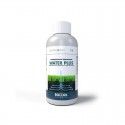
The use of surfactants will allow the water to remain at the root level for longer , significantly reducing water supply. At this stage, the product we recommend is:
- Water Plus (application every 15/20 days throughout the winter).
Share this content



 Chronology
 Citrus fruits
 Turf
 Stone fruit
 Olive tree
 Ornamental
 Vegetables
 Actinidia (Kiwi)
 Screw
 Hobbies and insights
 Pome Fruit


