
Your cart
There are no more items in your cart
What vegetables are grown in December: a complete guide
Categories :
Chronology
, Vegetables
Index
Vegetables to grow in December
Preparation of the vegetable garden in December
FAQ (Frequently Asked Questions) about December vegetables
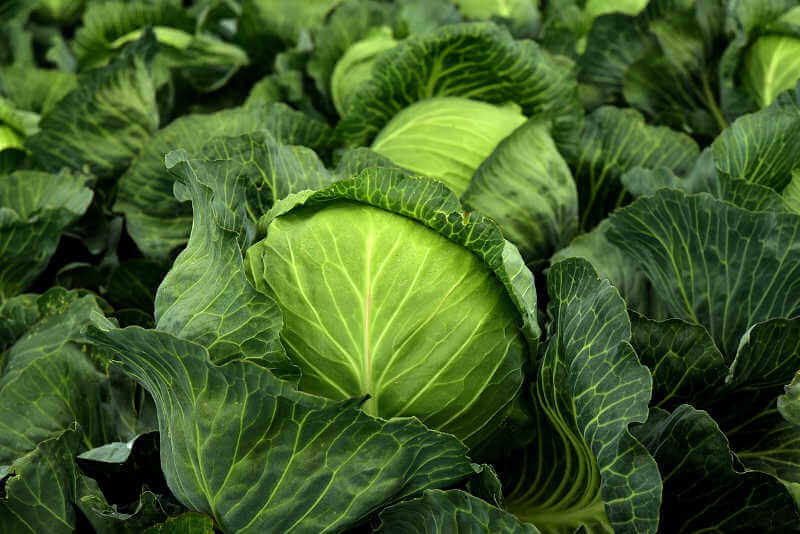
December marks the arrival of intense cold in many Italian regions, but this does not mean that the vegetable garden should go on pause. In fact, it is the ideal time for some winter crops that withstand low temperatures. In this article, we will find out which vegetables are grown in December, with practical tips on how to optimize your vegetable garden during the coldest month of the year.
Introduction
The winter garden is the kingdom of rustic and resistant plants, capable of thriving despite the cold. Thanks to techniques such as protection with sheets or greenhouse crops, it is possible to harvest fresh vegetables even in December. So let's see the best options for those who want a productive vegetable garden all year round.
Vegetables to grow in December
1. Cabbage and Brassicas
Cabbages are the protagonists of the winter garden. Among the most suitable varieties we find:
- Black cabbage: perfect for the harsh climate and rich in nutrients.
- Savoy cabbage: it resists frost well and adapts to different soil conditions.
- Broccoli and cauliflower: they require attention in the early stages of growth, but once ripe they tolerate intense cold.
Practical tip: To improve the sweetness of cabbage and broccoli, harvest them after a frost - the cold converts starch into sugars, improving their flavor.
2. Winter salads
Fast-growing salads are perfect for December:
- Winter lettuce: such as the romaine or cabbage variety.
- Radicchio: ideal for well-drained soils.
- Valerian (or lamb's lettuce): it resists the cold well and can be harvested in stages.
Recommended protections: Use non-woven cloths to protect salads from the most intense frosts.
3. Legumes
December is the perfect month for sowing peas and broad beans:
- Peas: sown directly in the open field, they germinate easily even at low temperatures.
- Broad beans: resistant to cold, they can be sown in December for an early spring harvest.
Curiosity: Legumes improve soil fertility due to their ability to fix atmospheric nitrogen.
4. Roots and Bulbs
Root vegetables such as:
- Carrots: prefer sandy and well-tilled soils.
- Radishes: fast-growing, they can be harvested in about 30 days.
- Garlic and onion: planted in autumn or early winter, they develop slowly during the cold months to be ready in spring.
Suggestion: Make sure the soil is not overly wet to avoid root rot.
5. Leeks
Leek is another hardy vegetable that thrives in frost. It is perfect for transplanting or harvesting in the dead of winter.
Advantages: Leeks improve with cold, which intensifies their flavor.
6. Spinach and Swiss Chard
Spinach is one of the most popular vegetables for the winter garden, thanks to its rapid growth and resistance to cold. Cutting chard is also a great option to have fresh vegetables on hand.
Preparing the vegetable garden in December
Growing vegetables in December requires some technical precautions:
1. Soil preparation: Work the soil to keep it well-drained, avoiding stagnant water that could freeze.
2. Mulch: Cover the soil with straw or tarps to protect it from frost and maintain a stable temperature.
3. Greenhouses and tunnels: If the weather is particularly harsh, use protective structures to prevent damage to crops.
4. Fertilization: Add mature compost or well-rotted manure to improve soil fertility.
Would you like to receive our advice? Subscribe to our Newsletter - 8% discount now for you
|
Common Diseases and Problems
Winter crops, although resistant to cold, are vulnerable to numerous fungal, bacterial and parasitic diseases. These diseases can compromise the quality and yield of crops, making proper prevention and timely intervention essential. Below you will find an in-depth guide to the main diseases and the recommended products to deal with them.
Cabbages and Brassicas
Downy mildew (Peronospora brassicae)
Downy mildew is one of the most common and dangerous fungal diseases for brassicas. The fungus mainly attacks the leaves, compromising photosynthesis and progressively weakening the plant.
- Symptoms: The disease initially manifests itself as irregular yellowish spots on the top of the leaves. Underneath, a whitish mold develops that spreads rapidly. In the case of severe infections, the leaves wilt and fall off, leaving the plant vulnerable to cold and other pathogens.
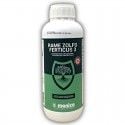
- Recommended product: Azul S-Cu or Copper Sulfur Ferticus 3, copper and sulfur-based products that offer a preventive and curative action against the fungus.
Dosages: Dilute 200-300 g in 100 liters of water and spray evenly over the entire plant.
Tip: Carry out the treatment in the early hours of the morning to promote rapid drying of the leaves, reducing the residual moisture that favors the proliferation of the fungus.
Alternaria brassicae
Alternariosis is a disease caused by a fungus that affects the leaves and tissues of brassicas, reducing the quality and quantity of the crop.
- Symptoms: The leaves have concentric dark spots, often surrounded by a yellowish halo. Over time, the spots expand, causing tissue necrosis and leaf drop.
- Recommended product: Copper Sulfur Ferticus 3, particularly effective in blocking the spread of the fungus.
Servings: Apply 300 g in 100 liters of water.
Tip: Repeat the treatment every 10 days if there are favorable climatic conditions for the fungus to develop, such as frequent rainfall or high humidity.
Cruciferous Hernia (Plasmodiophora brassicae)
Cruciferous hernia is a soil disease that attacks the roots of brassicas, compromising the plant's ability to absorb water and nutrients.
- Symptoms: The roots develop irregular swellings and knots that prevent normal development. The leaves appear wilted and yellowed, while the growth of the plant stops.
- Recommended product: Azul S-Cu, used to sanitize the soil and reduce the pathogenic load.
Dosages: Distribute 3-5 kg per hectare, mixing the product with the soil.
Tip: Practice crop rotation and avoid continuous cultivation of brassicas in the same plot for at least three years.
Winter salads
Lettuce blight (Bremia lactucae)
Lettuce blight is one of the most devastating diseases for winter salads, as it can quickly affect an entire crop.
- Symptoms: The leaves develop irregular yellow spots on the upper surface, while grayish mold forms underneath. Affected plants lose vigor and, in the event of severe infections, can die.
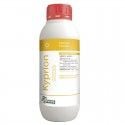
- Recommended product: KYPRION, a copper-based fertilizer that strengthens the plant's natural defenses against fungal infections.
Servings: Dilute 250 ml in 100 litres of water and apply evenly to the leaves.
Tip: Use the product every 7-10 days during wet periods, preventing the development of fungus.
Botrytis (Botrytis cinerea)
Botrytis is a disease that manifests itself with gray rot on the outer leaves, compromising the quality of salads.
- Symptoms: Gray, moist lesions that expand rapidly, especially in plants grown in poorly ventilated greenhouses.
- Recommended product: Silacid VIVO, a natural silica-based treatment that limits the development of the fungus.
Servings: Sprinkle 3-5 g per plant.
Tip: Ensure good ventilation and reduce ambient humidity to limit the proliferation of the fungus.
Legumes
Ascochyta (Ascochyta pisi)
Ascochyta is a typical legume disease that affects leaves, stems and pods, causing significant production losses.
- Symptoms: Dark, irregular lesions that expand rapidly, leading to tissue necrosis. In pods, spots can impair seed formation.
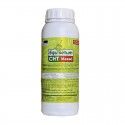
Recommended product: Equisetum CHT, an extract of horsetail that stimulates the plant's natural defenses.
Servings: Dilute 1-2 liters per hectare.
Tip: Apply after rains to prevent the spread of disease.
Spinach and Chard
Spinach blight (Downy mildew)
Spinach downy mildew is a disease that develops in humid and cool environments, severely compromising the quality of the leaves.
- Symptoms: Yellowed leaves with the presence of grayish mold on the underside. The plant loses vigor and slows down growth.
- Recommended product: Dentamet, a natural product that strengthens the plant's defenses.
Doses: 150-200 ml in 100 liters of water.
Tip: Apply every 15 days to maintain a preventive action during periods of high humidity.
With a thorough understanding of the diseases and using the right products, you can effectively protect your winter crops, ensuring abundant and quality harvests. Choose sustainable solutions and regularly monitor your vegetable garden to intervene promptly.
FAQ (Frequently Asked Questions) on December Vegetables
1. Can I grow tomatoes in a greenhouse in December?
- Yes, but they require a heated environment and good artificial lighting to grow well.
2. How long does it take for spinach to grow?
- Spinach can be harvested after about 30 to 45 days from planting.
3. Is it necessary to irrigate during the winter?
- Yes, but only when the soil is dry: too much water could damage the roots.
4. How to protect plants from frost?
- Use protective sheets and mulch to isolate the roots.
5. What legumes can I sow?
- Peas and broad beans are perfect for winter sowing.
Share this content





 Chronology
 Citrus fruits
 Turf
 Stone fruit
 Olive tree
 Ornamental
 Vegetables
 Actinidia (Kiwi)
 Screw
 Hobbies and insights
 Pome Fruit


