
Your cart
There are no more items in your cart
What is white oil used for in agriculture?
Categories :
Chronology
, Hobbies and insights
Index
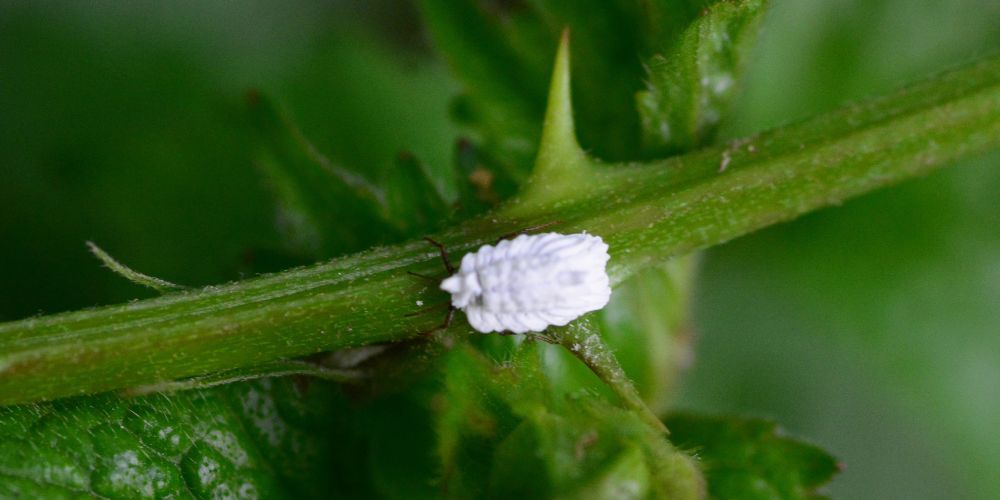
White oil, also known as white mineral oil or mineral oil, is an insecticide that is widely used in both organic and conventional farming. In this article, we will find out how to use it, on which crop to apply it and which oil to choose for our crops.
What is white oil used for?
Given the resistance that pests have developed over time towards the active ingredients most used in agriculture, many products that were previously functional are no longer able to provide help and support to farmers.
Thus, the use of white oil for the defense of parasites, such as mealybugs, aphids or mites, is becoming more and more widespread. It is a product that can be used on numerous crops (arboreal, ornamental and herbaceous) and which, if used at the recommended dosages, is not harmful to plants or the environment. But how do you use white oil?
Would you like to receive our advice? Subscribe to our Newsletter - 8% discount now for you
|
How to use white plant oil
First of all, it is important to underline that there are two macro categories of oils:
- summer mineral oils, used in the hottest periods,
- winter white mineral oils, used more in high temperatures.
It is a good idea to use white oil for plants by spraying during the coolest hours of the day (tending, at sunset).
Because?
Mineral oil is phytocaustic. Therefore, if applied at high temperatures, the plant may suffer burns to the organs, due to the effect of heat combined with the use of oil.
... THE AGRONOMIST'S ADVICE...
- Our advice is to avoid mixing white oil with sulfur. In the event that there is a need to use sulfur, we recommend spacing the interventions by 15-20 days from each other.
- White mineral oil is also used on citrus fruits, but it is very important to provide it to the plant at the most appropriate time. When to give white oil to citrus fruits?
It is possible to carry out an initial intervention with white oil on citrus fruits in spring, before the plant sprouts completely (in this case, we will act in prevention). In the post-fruit set, if the presence of cochineal or mites persists, we recommend further interventions. We would like to emphasize that it is possible to perform these interventions until the fruit is veraison.
- A further question we have been asked is: what is the difference between white oil and Neem oil?
Both white oil and neem oil are insecticides. However, the difference is in the mode of action. While white oil acts by suffocation of the target insect, Neem oil contains Azadirachtin, a natural substance with an insecticidal action.
What white oil fights
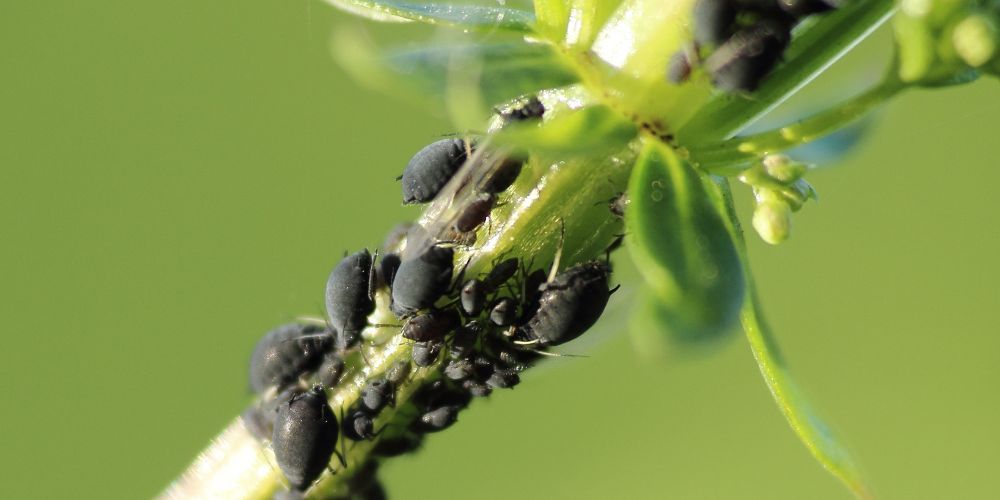
As we have already mentioned, white oil is used in agriculture to defend against pests. More specifically, we can summarize the function of white oil for plants in this way:
- Insecticidal function. Once diluted and applied to the plant, white mineral oil can suffocate insects, including their eggs, thus reducing their numbers.
However, the best known use is that of white cochineal oil. In the case of this, as with other pests, white oil performs its function by forming a film on the target insects, consequently causing their death.
Among the oils on the market, these are some products you can choose from:
- Chemol Plus, white paraffinic oil
- Chemol , white anti-cochineal oil
- Oliocin Plus, paraffinic mineral oil
- Biolid up, insecticide for aphids
A solution that does not require the use of the license is:
- White soybean vegetable oil. It is a valid alternative to white oil. In fact, effectively performing the same anti-cochineal and pest defense function, white vegetable soybean oil is a zero-residue product.
Share this content


 Chronology
 Citrus fruits
 Turf
 Stone fruit
 Olive tree
 Ornamental
 Vegetables
 Actinidia (Kiwi)
 Screw
 Hobbies and insights
 Pome Fruit


