
Your cart
There are no more items in your cart
Turf: what it is and what are the characteristics
Categories :
Chronology
, Turf
Index
FAQs (Frequently Asked Questions) about turf
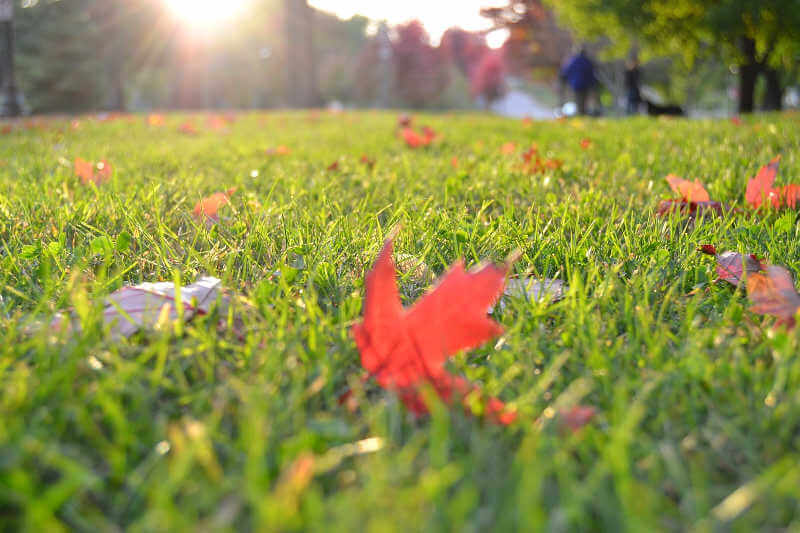
Turf is an essential component of many green spaces, both public and private. It is not only an aesthetic element, but plays a fundamental role in improving environmental quality, soil usability and microclimate. Also known as natural or synthetic lawn, turf is an expanse of grass that is kept at a regular height through frequent mowing.
What is Turf
The term turf refers to an area consisting of perennial herbaceous plants, mainly grasses, which form a uniform and resistant mantle. This element can be installed for multiple purposes, such as sports fields, home gardens, public parks and areas used for ornamental or functional purposes.
The main characteristics that define a turf are:
- Density: The number of grass stalks per unit area.
- Uniformity: homogeneous distribution of plant species.
- Resistance to foot traffic: ability to withstand pedestrian or vehicular traffic without suffering irreparable damage.
- Climate adaptability: ability to grow in different environmental conditions.
Types of Turf
1. Natural turf
Natural turf is made up of live plants, mainly grasses, that need regular maintenance. The main species used include:
- Perennial ryegrass: ideal for temperate climates, it grows quickly and offers good resistance to trampling.
- Poa pratensis: appreciated for its ability to form deep roots, giving the lawn a high resistance.
- Festuca arundinacea: suitable for drought conditions and poor soils.
2. Synthetic turf
This variant is made up of artificial fibers that mimic the appearance of natural grass. It is mainly used for sports fields or areas where maintenance of the natural carpet would be burdensome. Key features include:
- Low maintenance.
- Weather resistance.
- Durability over time.
Main Features of Turf
Aesthetics and functionality
A well-maintained turf contributes significantly to the aesthetics of a room. Due to its uniform green coloring and ability to create a pleasant environment, turf improves the appearance of gardens, parks, and squares.
Environmental benefits
- Erosion control: the roots of herbaceous plants stabilize the soil, preventing erosion.
- Thermal regulation: the turf reduces the surface temperature, counteracting the phenomenon of urban heat islands.
- CO2 absorption: being composed of live plants, it contributes to the reduction of carbon dioxide in the atmosphere.
Maintenance
Maintenance is crucial to keeping a turf in good condition. Key activities include:
- Irrigation: essential to ensure the growth and health of the turf, especially in the hottest periods.
- Fertilization: the supply of nutrients through controlled release fertilizers helps maintain the color and density of the lawn.
- Regular Trimming: Essential for maintaining uniformity and preventing overgrowth.
Would you like to receive our advice? Subscribe to our Newsletter - 8% discount now for you
|
Most common pathologies
1. Fungal diseases
- Powdery mildew (Mal Bianco): A fungus that manifests itself with a whitish coating on the leaves, reducing photosynthesis and the overall health of the lawn.
- Rust: It occurs in the form of orange or brown pustules on the leaves, caused by fungi of the genus Puccinia. It can weaken the grass and slow down its growth.
- Dollar Spot: Small brown or straw circular spots, caused by fungi of the genus Sclerotinia. It is common in conditions of moderate humidity and temperature.
- Fusarium Patch (Fusarium ): A fungal disease that causes yellow-brown spots, often with a darker ring at the edge. It occurs mainly in wet and cold periods.
- Pythium Blight : A very aggressive disease that causes wet rot, with blades of grass that appear wet and clump together in sticky masses. It often appears in conditions of high humidity and heat.
- Anthracnose: Caused by the fungus Colletotrichum, it manifests itself as brown or black spots on the leaves and can cause the death of large areas of the turf.
- Pink Snow Mold (Microdochium Patch): Typical of cold and wet seasons, it causes pink or white circular spots on the lawn.
- Collar Grey Rot: Caused by Rhizoctonia solani, it manifests itself with irregular brown spots, often surrounded by a dark ring.
- Red Thread : A disease that produces reddish threads or spots on the lawn, caused by Laetisaria fuciformis. It often occurs in nitrogen-poor soils.
- Fairy Rings : Caused by soil fungus, they manifest as circles of greener grass and often accompanied by mushrooms or dead grass in the center.
- Brown Patch : Caused by the Rhizoctonia fungus, it causes brown or tan circular-shaped spots, which can expand rapidly in hot and humid conditions.
- Basal Necrosis (Summer Patch): A fungal infection that attacks the roots, causing patches of dead grass during the hottest summer months.
Turf management can be a challenge, especially when dealing with the most common conditions. Powdery mildew, rust, Dollar Spot, Fusarium, Pythium Blight, and other fungal diseases pose a constant threat to the health and appearance of your lawn. Unfortunately, many effective fungicides require the use of licensed products, for which you must have a license. This condition can limit access to curative treatments for home and non-professional users.
The importance of preventive management
For those who cannot use chemical fungicides due to lack of a license, prevention becomes the main weapon in the management of turf diseases. Adopting preventative practices and using natural and organic products can make the difference between a healthy lawn and one in difficulty.
The use of mycorrhiza and specific products for the protection of turf
An effective strategy to improve lawn resistance to disease is the use of mycorrhiza products. These beneficial fungi form a symbiosis with plant roots, improving nutrient uptake and resistance to adverse conditions. Regular use of mycorrhiza can help prevent the onset of diseases thanks to a number of natural mechanisms:
- Strengthening of the roots: Mycorrhiza amplify the root system, making the turf more resistant to pathogenic attacks.
- Increased resistance to stress: Mycorrhiza-treated lawn is better able to cope with stressful conditions, such as drought and climate variations, which often predispose plants to disease.
- Reduced need for chemical treatments: With the use of mycorrhizae, the need for chemical fungicides can be reduced, making lawn management more sustainable and environmentally friendly.
Recommended products for optimal turf management
Here is a selection of useful products to improve lawn health and prevent fungal diseases:
- Micosat Lawns and Gardens: An excellent mycorrhiza product specifically for lawns and gardens, ideal for improving nutrient absorption and lawn resistance to diseases.
- Myko Power: Powerful mycorrhizal formulation that strengthens the root system and increases the ability of the turf to deal with stressful situations.
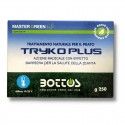
- Tryko Plus: An effective solution to promote beneficial soil colonization and prevent the onset of diseases.
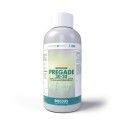
- Pregade NK 30.20: Balanced fertilizer that nourishes the lawn, improving the overall resistance to adverse environmental conditions.
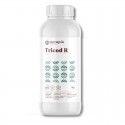
- Tricod R: Product based on Trichoderma spp., which contributes to the biological control of fungal diseases and the improvement of lawn health.
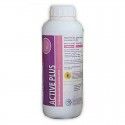
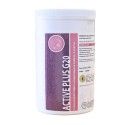
- Active Plus (also available Active Plus G20 granular format): A biostimulant that supports the growth and vitality of the turf, strengthening its ability to resist stress and diseases.
How to Apply Mycorrhiza and Preventive Products
The application of mycorrhiza and biostimulants can be carried out both during the sowing phase and as a periodic treatment on the already formed turf. It is essential to follow the instructions of each product for best results, ensuring adequate watering to facilitate the establishment of the symbiosis between the fungus and the roots.
Preventive management of turf diseases is crucial for those who cannot access chemical fungicides. The use of mycorrhiza products, such as Micosat Lawns and Gardens, Myko Power , and others listed, offers a natural and effective solution for maintaining a healthy and lush lawn. Following a prevention strategy and using specific products helps to create a resilient and sustainable environment, reducing dependence on chemical interventions.
2. Parasites
Pest Management in Turf: Effective Solutions and Recommended Products
Turf is often subject to attack by pests that can damage its aesthetics and health. Proactive and preventive management is essential to keep the lawn in optimal condition, especially for those who do not have a license for the use of specific pesticides. In this context, the use of natural products with a low environmental impact is an excellent solution to prevent and combat infestations.
Prevention and Monitoring
Prevention remains the key to avoiding serious damage to the turf. Regular application of granular products and specific liquids helps to keep pests under control and strengthen the resistance of the lawn.
Recommended Products for Pest Management
Here is a selection of products available and recommended for turf pest management:
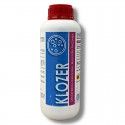
- Klozer Granular and Klozer Liquid: These products are ideal for combating various types of harmful insects. The granular formulation is particularly suitable for even application on the lawn, while the liquid version offers targeted treatment.
- BOTTOS Master Green Fly : A specific product to combat infestations of flies and other flying insects that can be a nuisance to the turf and surrounding areas.
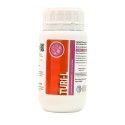
- Lepinox PFNPE and Turi-L: These products are great for controlling moth larvae, which can damage the leaves and affect the density and appearance of the lawn. The use of Lepinox PFNPE and Turi-L guarantees effective treatment against larvae without the use of aggressive chemicals.
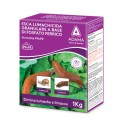
- Ferramol: Ideal for managing slugs, a common problem in gardens and turf. Ferramol is a natural product that acts quickly and is not dangerous for pets.
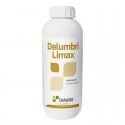
- Delumbri Limax: This product is particularly useful for managing an excess of earthworms in the lawn, which can create aesthetic and soil compaction problems.
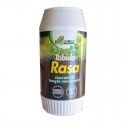
- Tabula Rasa AL. FE. Nature: A versatile product that can be used as part of a larger pest management strategy. It is effective against several species of insects and can be used as a complement to other preventive and curative treatments.
Methods of Application
- Granular Application: Spread the product evenly over the lawn following the manufacturer's directions. Light watering after application helps incorporate the product into the soil.
- Liquid Treatments: For liquid products, use a sprayer to apply the product to the affected areas. Be sure to cover the surface tightly for complete protection.
Benefits of Using Natural and Preventive Products
The adoption of natural solutions, such as Lepinox PFNPE, Ferramol, and Klozer, not only offers effective pest management, but also contributes to maintaining a healthy and sustainable environment. These products are safe for the environment and humans, making them ideal for those who want a lush lawn without the use of harsh chemicals.
Pest management in turf requires a strategic and preventive approach. The use of specific products, combined with good maintenance practices, allows you to keep the lawn healthy and green all year round. Relying on preventive, natural solutions ensures effective protection, reducing the need for intensive, chemical interventions.
3. Compaction Issues
Turf Compaction Problems: Solutions and Recommended Products
Turf subject to heavy traffic can become too compact, reducing soil permeability and water absorption. This leads to a decrease in root oxygenation, slowing growth and compromising the overall health of the lawn. To manage this problem and improve soil quality, it is essential to intervene with targeted practices and specific products.
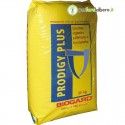
The Use of Prodigy Plus An effective solution to reduce soil compaction problems is the use of Prodigy Plus, an organic matter-based fertilizer. This product improves the structure of the soil, increasing its porosity and promoting better circulation of air and water. The supply of organic matter promotes the activity of beneficial microorganisms, which help to decompose soil particles and make the substrate more friable and fertile.
Benefits of Using Prodigy Plus for Turf:
- Improves soil structure: The organic-based formulation of Prodigy Plus enriches the soil with natural components that help maintain a balance between sand, silt, and clay particles.
- Increases water retention capacity: Well-structured soil retains water more effectively, reducing water stress for plants.
- Increases resistance to trampling: A turf with softer, more draining soil better withstands foot traffic, maintaining its elasticity and resilience.
- Stimulates biological activity: The addition of organic matter promotes the proliferation of beneficial microorganisms that improve the health of the soil and, consequently, of the roots.
Additional Recommended Actions
In addition to the use of Prodigy Plus, it is possible to combine other practices to enhance the effectiveness of the treatment:
- Soil aeration: The use of tools such as studded rollers or aeration machines allows you to create small holes in the lawn, favoring the entry of air and water into the depths.
- Topdressing: Adding a thin layer of sand or organic material to the lawn helps to improve permeability and surface texture.
These actions, combined with the application of Prodigy Plus, ensure a comprehensive approach to managing soil compaction, preserving the health and beauty of the turf. FAQs about turf.
FAQ (Frequently Asked Questions) about Turf
1. How often should a turf be trimmed?
The turf should be mowed regularly to maintain its density and uniformity. On average, trimming should be done every 7-10 days during the growing season, while in the colder months the frequency can be reduced.
2. What is the ideal height for turf?
The height varies according to the intended use:
- Ornamental lawns: 3-5 cm.
- Sports fields: 2-3 cm.
- Low foot traffic areas: 5-7 cm. Adequate height helps prevent weed growth and maintain soil moisture.
3. What are the best species for a durable turf?
The most common species include:
- Perennial ryegrass: rapid germination and excellent for trampling.
- Fescue arundinacea: it tolerates drought and poor soils.
- Poa pratensis: ideal for meadows subject to heavy traffic due to its deep roots.
4. How to prevent turf diseases?
To reduce the risk of disease, it is important to:
- Avoid evening watering which promotes the proliferation of fungi.
- Aerate the soil regularly to prevent compaction.
- Apply balanced lawn fertilizers to ensure vigorous and healthy growth.
You can find all turf-specific products in the Turf category.
5. What are the differences between natural and synthetic turf?
- Natural turf: it requires more maintenance (cutting, irrigation, fertilization), but offers ecological benefits such as CO2 absorption and thermal regulation.
- Synthetic turf: Requires minimal maintenance and offers a longer lifespan in high-traffic environments, but does not contribute significantly to the environment.
Share this content



 Chronology
 Citrus fruits
 Turf
 Stone fruit
 Olive tree
 Ornamental
 Vegetables
 Actinidia (Kiwi)
 Screw
 Hobbies and insights
 Pome Fruit


