
Your cart
There are no more items in your cart
How to increase oil yield
Categories :
Chronology
, Olive tree
Index
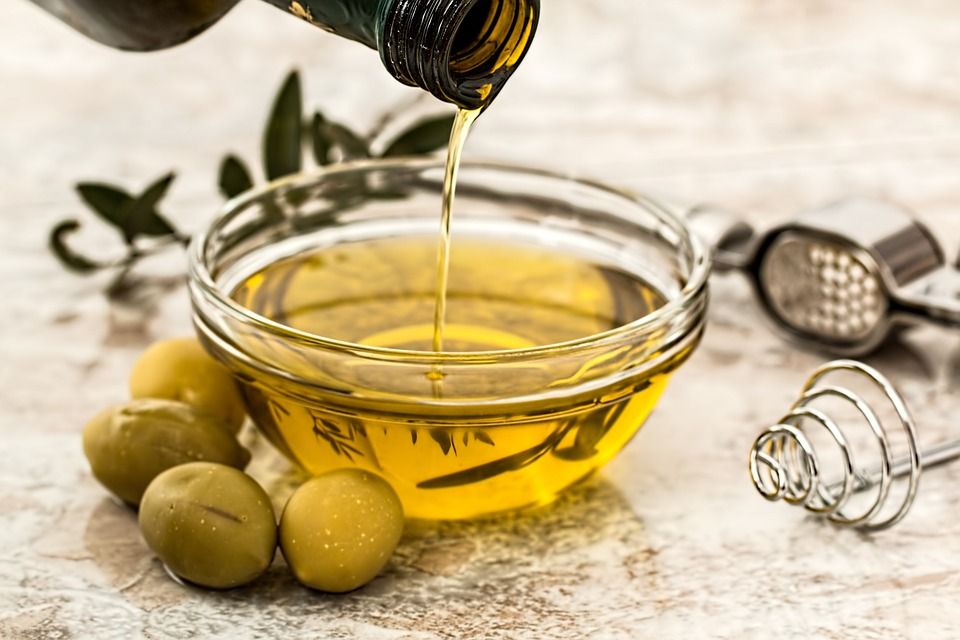
How to increase oil production
Introduction
There are many factors that contribute to the quantity and quality of production and, in the case of olive trees, to its oil yield.
The right agronomic practices, such as pruning, irrigation, treatments and fertilization, are essential for a good result but the most important component is certainly the cultivation soil, its structure, its endowment in organic matter, leaven of life, heritage of humanity, which is the only and true parameter of soil fertility.
The macroelements
Macroelements N, P, K, together with meso and microelements, help to enhance plant functions and yield.
Nitrogen stimulates the production of plant mass, the production of leaves that are the laboratories within which chlorophyll transforms light into life. Essential for the production of proteins and nucleic acids.
Phosphorus is necessary for the production of nucleic acids and phospholipids that are used for the formation of the cell membrane.
Potassium is the element most absorbed by plants, it enters all vital processes: protein synthesis, osmotic processes and transpiration through the movement of the stomata.
The potassium processing processes continue until ripening, so interventions with potassium can always give more or less satisfactory results as long as there are the conditions for absorption by the plant and the product is readily assimilable.
Potassium makes cells more resistant to abiotic stresses: heat, cold, wind, drought, which reduce the vitality of the plant and its production processes.
How to increase oil production
In order to improve the oil yield, we have carried out interventions with foliar potassium, Aquos K at 300 cc/hl and Katon XT at a dose of 400 cc/hl.
Aquos K should be used alone because it is very alkaline: if it were used with other formulations, in fact, it could damage the functionality of any combined product.
Katon XT can be combined with fungicides or insecticides; This combination will make the intervention more convenient and practical.
The alkalinity of Aquos K should not be understood as a negative datum or limiting characteristic, on the contrary. Just think that life in general is sub-alkaline, that the human organism itself has a pH of 7.14, therefore slightly alkaline.
The use of alkaline products by foliar application favors the absorption of some products, such as potassium itself and molybdenum, which is a regulator of nitrogen and its decay from the nitric form. In addition, the use of alkaline products has a bactericidal function , because the majority of bacteria and fungi do not live in an alkaline environment but prefer an acidic environment.
Two interventions were carried out, one on 10 September and the other on 25 September, and the results were satisfactory: a 15% increase in oil yield in the test with Aquos K; slightly lower in the test with Leafkal. The plots were chosen within larger olive groves and the comparison was made with olives from the same plot, the same variety and the same harvest period.
We can conclude, therefore, that interventions in September and also in the first days of October with Aquos K or Lefkal determine a significantly higher oil yield.
Would you like to receive our advice? Subscribe to our Newsletter - 8% discount now for you
|
Share this content


 Chronology
 Citrus fruits
 Turf
 Stone fruit
 Olive tree
 Ornamental
 Vegetables
 Actinidia (Kiwi)
 Screw
 Hobbies and insights
 Pome Fruit


