
Your cart
There are no more items in your cart
What is it and how to treat Eutypiosis of the Vine - Eutypa lata
Categories :
Chronology
, Screw
Index
The damage caused by Eutypiosis
Products to be used against Eutypiosis
Frequently Asked Questions about grapevine eutypiosis
Introduction
Grapevine eutypiosis is one of the main wood diseases affecting grapevines, caused by the fungus Eutypa lata. This disease, if not managed correctly, can seriously compromise the health of the vines, reducing the production and quality of the grapes. This is an insidious problem as symptoms often occur years after infection, making timely intervention difficult. In this article, we will analyze the biology of the fungus, the damage it can cause, and intervention strategies to prevent and control eutypiosis of the vine.
Biology
What is Eutypa lata?
Eutypa lata is an ascomycete fungus that lives inside the wood of vines and other tree plants. It spreads through spores, which disperse mainly thanks to rain and wind, infecting vines through open wounds, such as those caused by pruning. The spores germinate and the fungus begins to colonize the wood, forming mycelial structures that slowly extend inside the plant's lymphatic vessels.
Life cycle of the mushroom
The life cycle of the Eutypa lata mushroom is long and sneaky. The spores can remain latent for years inside the plant before showing obvious signs of disease. During wet periods, mature spores are released and settle on the plant's wounds, initiating infection. Once established, the fungus gradually spreads, causing necrosis of the wood and irreversibly damaging vascular tissues.
The Damage Caused by Eutypiosis
Visible symptoms
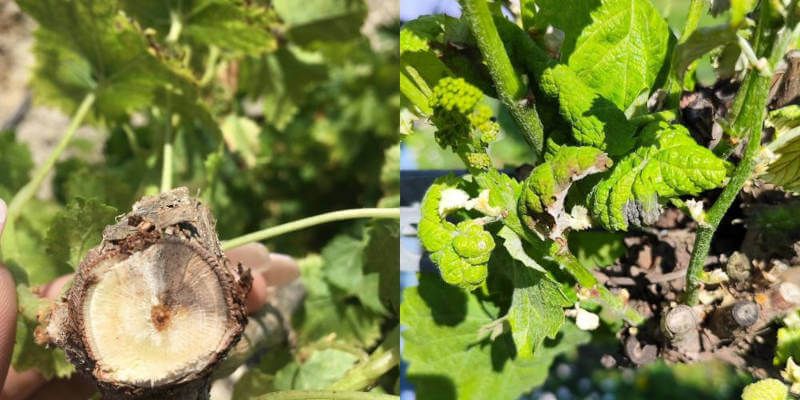
The symptoms of grapevine eutypiosis can vary depending on the stage of development of the disease. Initially, a general weakening of the plant is observed, with short shoots and deformed or chlorotic leaves. As the disease progresses, the vine has a reduction in production and a decrease in grape quality. A typical sign is the appearance of V-shaped lesions in the shoots or trunk of the plant.
Impact on production
The eutypiosis of the vine compromises not only the aesthetic appearance of the plant but also its ability to produce grapes. The fungus, in fact, destroys the wood and conductive tissues, reducing the circulation of the linfa and causing dryness in the shoots. In severe cases, the infection leads to the death of the strains, requiring the uprooting and replacement of the plant, with considerable economic costs for producers.
Would you like to receive our advice? Subscribe to our Newsletter - 8% discount now for you
|
Products to Use Against Eutypiosis
Biological strategies
To manage grapevine eutypiosis sustainably, it is crucial to rely on organic approaches. Using organic products such as plant extract-based biostimulants and biocontrol agents can help strengthen the plant's natural defenses.
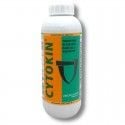
A useful product for this purpose is CYTOKIN Biogard. This biostimulant, obtained from plant extracts rich in natural cytokinins, promotes greater synchrony in budding and stimulates the vegetative and root development of the vine. The application of CYTOKIN Biogard can help improve the plant's resistance to biotic stresses, such as Eutypa lata infections , the causative agent of eutypiosis.
Apply antagonistic fungi such as Trichoderma spp. it can limit the proliferation of the fungus Eutypa lata, hindering its establishment.
For the treatment of eutypiosis of the vine in the post-budding phase, when the shoots have reached a length of 10-15 cm, the use of Vitaseve Syngenta is an excellent solution to stimulate the natural resistance of the plant and improve the vitality of the vineyard.
Intervention with Vitaseve Syngenta
1. Objective:
- Stimulate the lymphatic flows of the plant.
- Support vegetative recovery with a biostimulant action aimed at improving the general health of the plant.
2. Mode of Application:
- Dilution: Mix Vitaseve Syngenta in water according to the instructions on the label. A recommended dose is 3-5 L/ha, distributed in 300-500 liters of water per hectare.
- Method: Apply via foliar spraying, making sure to evenly wet the shoots and trunk.
3. Timing:
- Apply when the shoots have reached a length of 10-15 cm, preferably in the morning or evening to avoid the hottest hours of the day and ensure better assimilation of the product.
5. Frequency:
- Repeat the treatment after 10-14 days, if necessary, especially in case of conditions favorable to the spread of the fungus (high humidity and mild temperatures) and the last treatment in the period from post-harvest to pre-leaf fall.
6. Integrative Practices:
- Targeted pruning: Remove and destroy affected shoots to reduce the inoculum of the fungus.
- Copper treatments: After surgery with Vitaseve, perform preventive treatments with copper products such as Welgro CU ZN to protect wounds.
7. Benefits of the intervention:
- Strengthening of the vine against damage from Eutypiosis.
- Improvement of vegetative vigor and the ability to overcome biotic and abiotic stress.
- Prevention of productivity losses related to this disease.
Important Note: It is always advisable to follow the directions on the product label and adapt the treatment strategy to the specific conditions of the vineyard.
Chemicals
In some situations, the use of chemicals may be necessary to control the infection. Systemic and protective fungicides can be applied in the vicinity of pruning wounds to prevent spores from entering. However, it is important to use these treatments with caution and follow the technical instructions to minimize the impact on the environment and beneficial insects.
Importance of the integrated approach
The adoption of an integrated approach, combining biological and chemical treatments, is essential for effective management of grapevine eutypiosis. Prevention, through pruning carried out in dry periods and the use of protective mastics, is crucial to reduce the incidence of the disease and keep the vineyard healthy.
Vine eutypiosis poses a significant threat to vineyards, with negative effects on plant productivity and longevity. Knowing the biology of the fungus, the damage it causes, and control strategies is essential for maintaining the health of the vines. Taking an integrated approach, with a preference for organic products, is essential to preserve the vineyard and the ecosystem.
Frequently Asked Questions on Grapevine Eutypiosis
1. How do you recognize grapevine eutypiosis?
- Symptoms include V-shaped lesions in the wood, weak shoots, and a reduction in grape production.
2. What are the periods most at risk for infection?
- Infections occur mainly during rainy periods, especially in winter and early spring.
3. Is it possible to prevent eutypiosis in grapevine only with organic products?
- Yes, the use of biostimulants and antagonistic fungi such as Trichoderma can contribute to the prevention of the disease.
4. What are the advantages of biological treatments compared to chemical ones?
- Organic treatments are more sustainable and do not harm beneficial insects or the environment.
5. Can grapevine eutypiosis be cured completely?
- Once the infection is advanced, there is no definitive cure, but integrated management can contain the damage.
6. How to protect pruning wounds?
- The application of protective mastics and specific fungicides can prevent spores from entering.
7. Does eutypiosis of the vine also affect other plants?
- Yes, Eutypa lata can infect other woody plants, but vines are particularly vulnerable .
Share this content



 Chronology
 Citrus fruits
 Turf
 Stone fruit
 Olive tree
 Ornamental
 Vegetables
 Actinidia (Kiwi)
 Screw
 Hobbies and insights
 Pome Fruit


