
Your cart
There are no more items in your cart
Marigolds: characteristics and cultivation
Categories :
Chronology
, Ornamental
Index
Features of the Marigold
Benefits of Marigold in Gardening
Climate and Soil
Sowing and Transplanting
Irrigation and Maintenance
Propagation
Frequently Asked Questions (FAQs) about Marigold
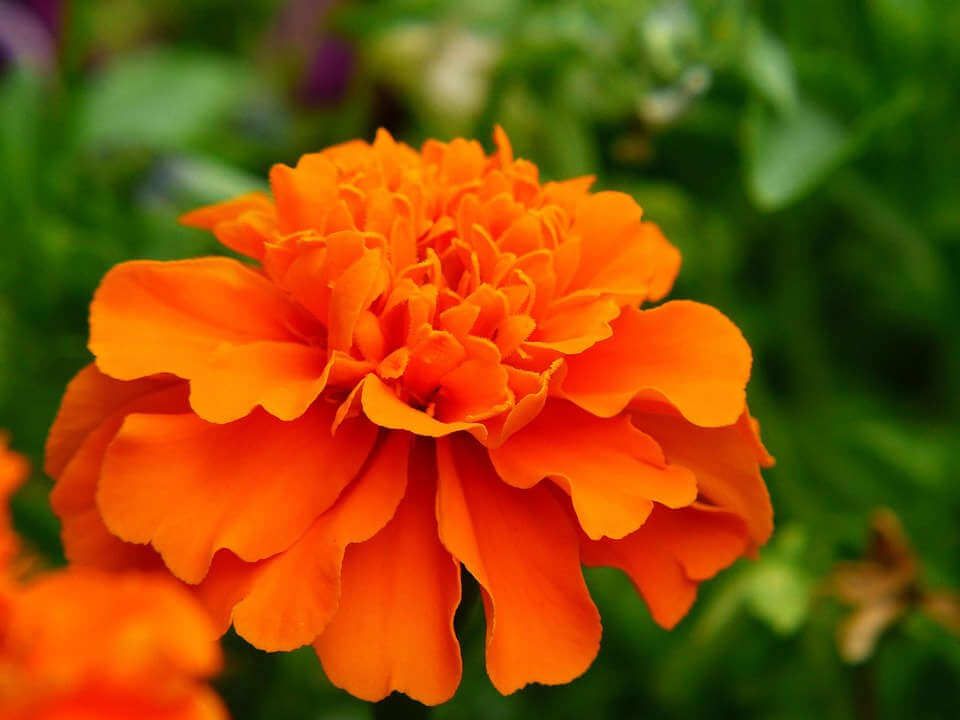
The Marigold, commonly known as "Prickly Carnation" or "Saint Flower", is an ornamental plant appreciated not only for its chromatic vivacity but also for its beneficial properties in gardening. Belonging to the Asteraceae family , this genus includes numerous species and varieties, each of which has unique characteristics that make it an excellent choice for garden decoration and natural protection against pests. In this article, we will examine the botanical characteristics of the Marigold, the benefits of its use and the ideal techniques for its cultivation.
Features of the Marigold
The Marigold is native to the American continent, particularly Mexico and South America, but is widely cultivated all over the world due to its adaptability to different types of climate and soil. This plant is annual, although in some warmer regions it can behave as a perennial. Marigold species vary in size, shape and color, but they all have some distinctive traits in common:
- Foliage: The foliage of the Marigold is deep green, finely divided and aromatic. Its pungent smell is known to repel some harmful insects, such as aphids and nematodes, making it an ideal plant for organic gardening.
- Flowers: Marigold flowers are usually made up of double petals, which come in a wide range of colors ranging from bright yellow to orange and dark red. Flowering takes place from early summer until late autumn, giving gardens a touch of joy and color.
- Root system: Marigold has a robust root system, which makes it resistant to drought conditions and ideal for growing in different types of soil, as long as they are well drained.
Types of Marigolds
There are numerous species of marigolds, each with its own specific characteristics. Among the most common are:
-1. Tagetes erecta: Also known as the Giant Prickly Carnation, this variety can reach a height of 60-90 cm. It is often used in flower arrangements due to its large spherical flowers.
-2. Tagetes patula: More compact and shorter, with smaller flowers, the Tagetes patula is perfect for borders and flower beds. This strain is particularly prized for its ability to repel pests.
-3. Tagetes tenuifolia: Known for its delicate foliage and small flowers, this species of marigold is often used as a border or potted plant.
Benefits of Marigold in Gardening
In addition to its ornamental beauty, the Marigold is known for its ecological benefits. Due to its natural repellent properties, it is often used in agriculture and horticulture as a companion plant. Some of the key benefits include:
- Natural repellent: The roots of the marigold emit a chemical that repels nematodes, parasites that attack the roots of plants. This makes it a great plant to intersperse with vegetables such as tomatoes, potatoes and carrots.
- Biological pest control: Marigold is useful for controlling infestations of aphids, whiteflies, and other harmful insects without the use of chemical pesticides.
- Beneficial insect attraction: Marigold flowers attract pollinating insects such as bees and butterflies, helping to improve biodiversity in the garden.
Would you like to receive our advice on how to grow marigold? Subscribe to our Newsletter - 8% discount now for you
|
|
Cultivation of marigold
Climate and Soil
Marigold is a plant that easily adapts to different climatic conditions, although it prefers warm and sunny climates. It can tolerate cool temperatures, but it does not withstand frosts. It is therefore advisable to sow it outdoors only when the risk of frost has passed.
As for the soil, the Marigold prefers well-drained soils, rich in organic matter. Although it tolerates poorer soils, the plant thrives best in fertile substrates. Drainage is a crucial factor as Tagetes are prone to root rot if the soil is too wet.
Sowing and Transplanting
The cultivation of the Marigold can take place either by direct sowing in the garden or by sowing it in a seedbed with subsequent transplanting. The seeds are small and must be buried to a depth of about 1 cm. Germination takes place in about 7-14 days.
- Sowing in a seedbed: It is recommended to obtain robust plants to transplant outdoors when temperatures stabilize. The seedbed should be placed in a warm and sunny place, keeping the soil moist but not soggy.
Direct sowing: Direct sowing can be carried out from the end of spring. In this case, it is advisable to space the seeds about 15-30 cm apart to allow the plants to develop properly.
Irrigation and Maintenance
Marigold is a relatively easy plant to maintain. It requires moderate watering, but it is important to avoid waterlogging that can damage the roots. During hotter and drier periods, it is good to make sure that the soil remains slightly moist, but not wet.
- Fertilization: Although it is not a particularly demanding plant, adding organic fertilizer or compost at the time of planting or transplanting promotes vigorous growth and abundant flowering.
- Pruning: To keep the plants compact and encourage continuous flowering, it is recommended to remove wilted flowers regularly.
- Pests and diseases: Although marigold is resistant to many pests due to its repellent properties, it can be prone to fungal diseases such as white mildew in conditions of excessive humidity. It is important to ensure good air circulation and not to wet the foliage during watering, prevention with products such as Cifoblok is always the best strategy.
Propagation
Marigold is easily propagated by seed. Seeds can be harvested from plants at the end of the season and stored for planting the following year. To collect the seeds, simply wait for the flowers to dry completely, then remove them and store the seeds in a cool, dry place.
Frequently Asked Questions (FAQs) about Marigold
1. Can marigold be grown in pots?
Yes, the Marigold is perfectly suited for growing in pots. It is important to choose pots with good drainage and to use a specific soil to promote the outflow of water.
2. Is marigold a perennial?
In most areas, the marigold is grown as an annual. However, in tropical or subtropical climates, some varieties can behave like perennials.
3. What are the main parasites that the Marigold attacks?
Marigold is very resistant to pests due to its repellent properties, however prevent with repellent products such as Cifotris.
As stated above, in conditions of excessive humidity, it can be prone to fungal diseases such as white mildew.
4. Can I use Marigold in the organic garden?
Absolutely yes! Marigold is often used as a companion plant in organic gardens due to its ability to repel pests and improve the health of surrounding plants.
5. How long does it take for marigold to bloom?
Marigold usually flowers within 8-10 weeks of seed. With proper maintenance, flowering can continue throughout the summer and fall.
Share this content






 Chronology
 Citrus fruits
 Turf
 Stone fruit
 Olive tree
 Ornamental
 Vegetables
 Actinidia (Kiwi)
 Screw
 Hobbies and insights
 Pome Fruit


