
Your cart
There are no more items in your cart
The Benefits of Having Plants at Home: Health, Beauty and Wellness
Categories :
Chronology
, Ornamental
Index
Decorative and sustainable elements
Protection Against Fungal Diseases
FAQ: Frequently Asked Questions About Indoor Plants
 |
Indoor plants are much more than just decorative elements. Having plants in your home offers numerous benefits ranging from improving air quality to reducing psychological stress. In an era in which well-being is at the center of attention, integrating greenery into domestic spaces is not only an aesthetic choice but also a functional one for health. Let's discover together all the advantages of living surrounded by plants.
Improved air quality
Natural purification of the environment
Plants play a fundamental role in purifying the air in closed environments. Through the process of photosynthesis, plants absorb carbon dioxide (CO₂) and release oxygen, helping to maintain a healthy atmosphere in your home. Some species, such as Spathiphyllum and Sansevieria, are famous for their ability to remove toxins such as benzene, formaldehyde, and trichloroethylene, which are often found in household materials.
Natural hydration of the environment
Plants release moisture into the air through transpiration. This helps prevent problems such as dry mucous membranes, irritated eyes and dry skin, especially in winter when heating tends to make the air drier.
Ideal plants for air quality
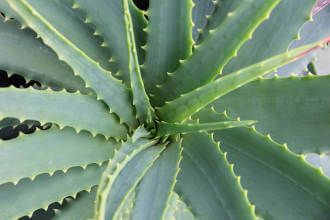
- Aloe Vera: fights benzene and carbon monoxide.
- Sansevieria (Mother-in-law's tongue): one of the few plants that releases oxygen even at night.
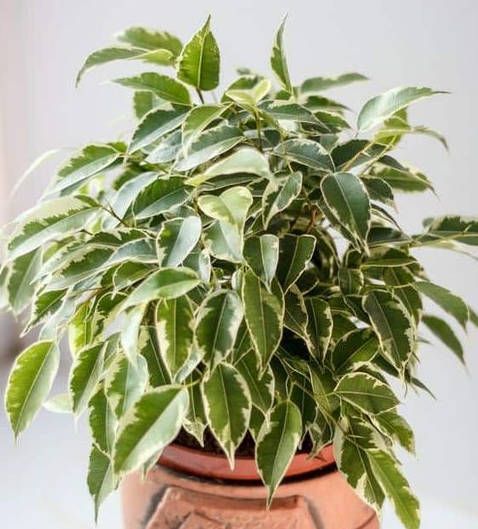
- Ficus benjamina: excellent for filtering dust and toxins.

Psychological benefits
Stress reduction
Numerous studies have shown that the presence of plants reduces stress and promotes relaxation. Observing greenery and caring for plants improves quality of life and reduces the level of cortisol, the stress hormone.
Improved mood and productivity
Plants not only create a more welcoming environment, but they also increase productivity and focus. Incorporating plants such as Dracaena or Pothos into the office or home office can significantly improve cognitive performance.

Therapeutic effect
Horticulture therapy is a well-established practice that uses plant care to improve emotional and physical well-being, which is especially helpful for people with anxiety or depression.
Decorative and sustainable elements
A touch of natural design
Plants are a great decorative tool: they add color, texture and life to rooms. Plants such as Monstera Deliciosa or Ficus lyrata can transform a nondescript corner into a focal point of great visual impact.

Sustainability
Having plants in your home reduces the use of synthetic materials for decoration, helping to create a more eco-friendly space. Additionally, many plants can be grown sustainably, using techniques such as composting to fertilize them.
Would you like to receive our advice? Subscribe to our Newsletter - 8% discount now for you
|
Plants and physical health
Allergen reduction
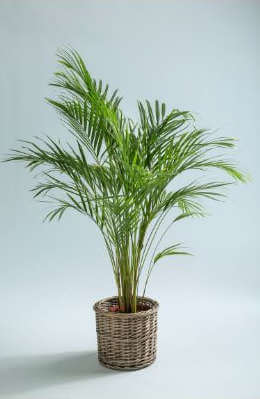
Indoor plants, such as the Areca Palm, can capture dust and allergens, helping to improve air quality. However, it is important to keep the leaves clean to maximize the benefits.
Benefits for sleep
Contrary to the myth that plants are not suitable for the bedroom, some species such as Sansevieria and Jasmine also release oxygen at night, promoting a deeper and more restorative sleep.
Nutrition for indoor plants
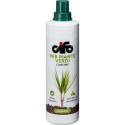
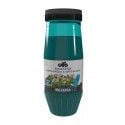
CIFO liquid fertilizer for green plants
Indoor plants, such as Ficus, Monstera , or Dracaena, need regular nutrition to maintain lush green leaves. CIFO Liquid Green Plant Fertilizer is specifically formulated to provide essential nutrients, such as nitrogen, phosphorus, and potassium, that stimulate photosynthesis and promote growth.
- Servings: Dilute 10 ml of product in 1 liter of water and apply every 15 days during spring and summer. In winter, reduce the frequency to once a month.
- Tip: Always use the fertilizer on moist soil to avoid damage to the roots and ensure optimal assimilation.
Hydration of indoor plants
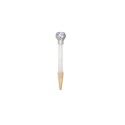
Blumat Digital - Digital Soil Moisture Meter
Proper watering is crucial for indoor plants, but finding the right balance of water and air can be challenging. Blumat Digital helps you understand exactly when to water, avoiding excesses or deficiencies.
- How to use: Insert the meter into the soil near the root of the plant to constantly monitor the moisture level.
- Tip: Use the device regularly to adapt the watering frequency to the climatic and seasonal conditions.
Watering Verdevivo Water Reserve
If you are often away from home or want to simplify irrigation, the Verdevivo Water Reserve Watering is the ideal solution. This system releases water gradually, keeping the soil moist at all times.
- How it works: Place the device in the jar and fill it with water. It will take care of releasing the necessary moisture for days.
- Tip: Check the water level regularly to make sure the reserve does not run out.
Aquastick Cifo Moisturizing Gel
For an even more targeted action, the Cifo Aquastick Moisturizing Gel is perfect for keeping the soil moist without excess.
- Servings: Place a gel capsule near the roots. The gel will gradually release water for consistent hydration for up to two weeks.
- Tip: Ideal for plants that require moderate humidity and for those who travel frequently.
Plant protection from pests
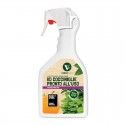
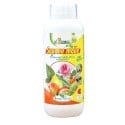
KO Verdivivo mealybugs and KO Verdevivo RTU aphids
Pests, such as aphids and mealybugs, can quickly weaken your indoor plants, damaging their leaves and stems. KO Mealybugs and KO RTU Aphids are ready-to-use products that eliminate these pesky insects safely and effectively.
- Dosage: Spray the product directly onto the infested parts of the plant, covering both surfaces of the leaves.
- Tip: Repeat the treatment every 10 days to prevent new infestations.
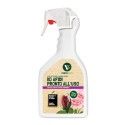
Stop Insects Cifo Soft Soap Ready to Use (against Red Spider Mite)
The red spider mite is a mite that causes yellowing and dryness in the leaves. The Stop Insect Soft Soap Cifo Ready to Use acts by eliminating mites by contact without leaving toxic residues.
- Doses: Spray evenly on the leaves, focusing on the underside where pests lurk.
- Tip: Treat the plants every 7 days until the problem disappears.
Protection against fungal diseases
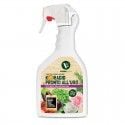
Fungal diseases, such as mold and powdery mildew, are common in indoor plants. Ready-to-Use Koracid, based on natural extracts, is effective in preventing and treating these diseases.
- Servings: Apply directly to the leaves and stems every 15 days.
- Tip: Use the product beforehand in humid or poorly ventilated environments.
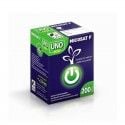
MICOSAT F UNO Mini Granular (against root rot)
Root rot is caused by overwatering and fungal attacks on the roots. MICOSAT F UNO Mini Granular is a natural product that restores the microbiological balance of the soil, helping the roots to regenerate.
- Dosage: Distribute 10 g of product per plant, mixing it into the substrate.
- Tip: Reduce watering and use well-draining soil to prevent further damage.
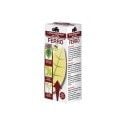
ORGANIC IRON Kypho (against Chlorosis)
Chlorosis, or yellowing of the leaves, is caused by a deficiency of iron in the soil. ORGANIC CIFO IRON provides chelated iron that is easily assimilated by plants.
- Servings: Dilute 20 ml in 10 liters of water and irrigate every 2-3 weeks.
- Tip: Apply the treatment at the first signs of yellowing to prevent the plant from weakening further.
With these precautions and the right products, your indoor plants will not only be protected from pests and diseases, but also lush and able to improve the home environment, offering beauty and well-being every day.
FAQ: Frequently Asked Questions About Indoor Plants
1. Which plants require less care?
Plants such as Sansevieria, Pothos and Ficus elastica are ideal for those who have little time to devote to maintenance.
2. Is it safe to keep plants in the bedroom?
3. How often should you water your plants?
- It depends on the species, but it's always best to check the soil moisture before watering.
4. Which plants are dangerous for pets?
- Some, such as Dieffenbachia or Philodendron, can be toxic to dogs and cats.
5. Do plants attract insects?
- If cared for properly and not overwatered, the plants should not attract insects.
Share this content



 Chronology
 Citrus fruits
 Turf
 Stone fruit
 Olive tree
 Ornamental
 Vegetables
 Actinidia (Kiwi)
 Screw
 Hobbies and insights
 Pome Fruit


