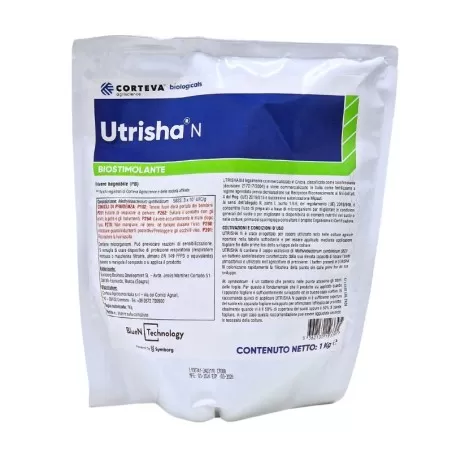
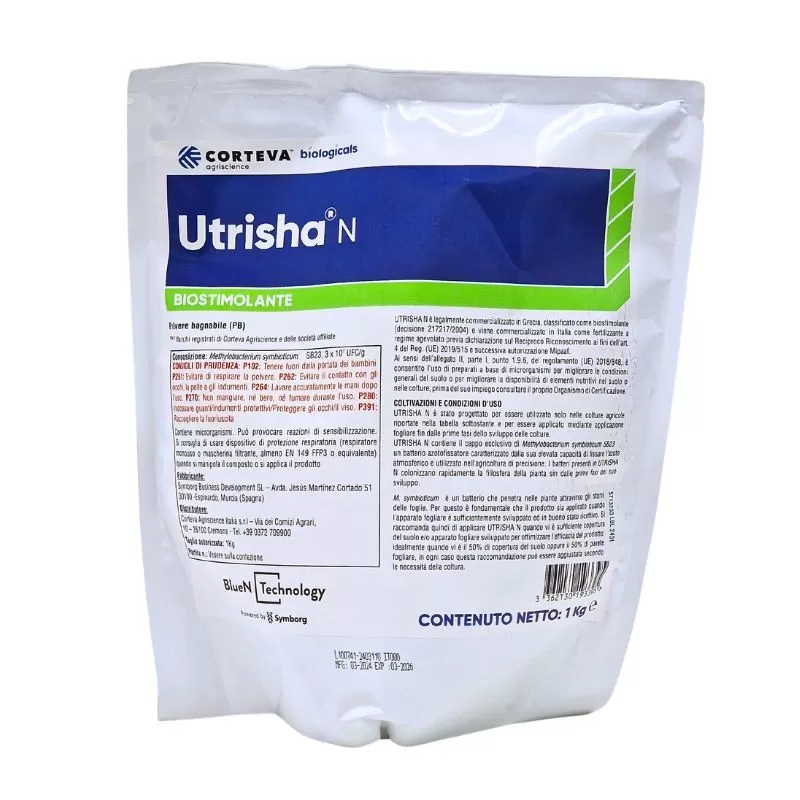
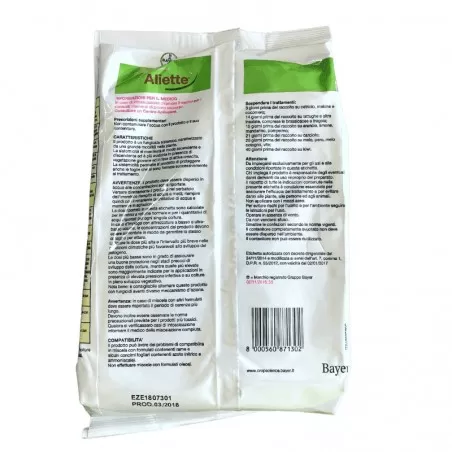
Utrisha N (BlueN) Corteva Biostimulant Methylobacterium symbioticum SB23 1 kg
Available
€117.15 €123.32-5%
Tax included
Represents the lowest price in the last 30 days preceding the promotion
Lowest price 30 days: €136.03
Time left
Utrisha N (Blue N) Corteva is a biostimulant composed of a unique patented endophytic bacterium, which spreads into plant tissues, metabolizes atmospheric nitrogen and fixes it in a form that is more easily absorbed by the crop.
SHIPPING
For plant protection products
For plant protection products:
--WARNING-- Before purchasing plant protection products, always consult the updated label on the website: http://www.fitosanitari.salute.gov.it/fitosanitariwsWeb_new/FitosanitariServlet as the registrations may change and be different from what is reported in the description on the product page.
Utrisha N (Blue N) Corteva is a sustainable solution thatincreases the photosynthetic activity of the plant and reduces nitrogen fertilization to the soil.
Utrisha N (Blue N) is a biostimulant composed of an endophytic bacterium Methyloacterium Simbionticum SB23 capable of spreading within the plant and synthesizing atmospheric nitrogen for the benefit of the plant. Nitrogen is a primary element as it is essential for chlorophyll photosynthesis; The absorption and use of chemical nitrogen by radical means requires a considerable amount of water. The use of Utrisha N (Blue N) allows the synthesis of an equal or greater amount of nitrogen without the need for water. Among other things, it is much cheaper and cheaper than chemical nitrogen. Methyloacterium Simbionticum SB23 is a bacterium that penetrates plants through the stomata of the leaves. For this reason, it is essential that the product is applied when the leaf apparatus is sufficiently developed and in a good state of receptivity.
Composition:
M.symbioticum SB23 3 x 10^7 CFU/g
What do nitrogen-fixing bacteria do?
Nitrogen-fixing agents are organisms, such as bacteria and cyanobacteria, that are able to convert atmospheric nitrogen (N2) into chemical forms that can be used by other organisms, such as ammonia (NH3) or nitrates (NO3-). This process is known as nitrogen fixation and is critical to the nitrogen cycle, which is essential for life on Earth. Nitrogen-fixing agents play a crucial role in enriching the soil with nitrogen, making it available to plants and, consequently, to the organisms that feed on them. These organisms play an important role in agriculture and soil ecology, contributing to soil fertility and crop production. The use of nitrogen-fixing agents can lead to a substantial reduction in the need to make up for the nutritional deficiencies of crops with urea and nitrate-based fertilization. Utrisha N (Blue N), increases the photosynthetic activity of the plant and reduces nitrogen fertilization to the soil.
Dosage of use:
Winter and spring cereals (extensive crops): 333 g/ha. Between full tillering and the second node of the crop.
Winter and spring rapeseed (extensive crops): 333 g/ha. In autumn at the 6 - 8 leaf stage and in spring from the rosette stage until the end of flowering.
Rice (extensive crops): 333 g/ha. From mid-tillering to the beginning of flowering.
Sunflower, maize, soybean, grain legumes and sorghum (extensive crops): 333 g/ha. Between 4 and 8 leaves.
Alfalfa, pastures and meadows: 333 g/ha. From the first visible side shoots/beginning of the tillering phase and the end of vegetative development/grass flag leaf phase.
Swiss chard, garlic, artichoke, celery, broccoli, green onion, cabbage, cauliflower, escarole, asparagus, spinach, peas, broad beans, sweet beetroot, fennel, lettuce, melon, leek, radish, cabbage, watermelon, carrot, etc. (extensive crops): 333 g/ha. Between stage 4 leaves and the beginning of flowering.
Potato: 333 g/ha. Between the closing phase of the rows and the beginning of flowering
Strawberries, blueberries, raspberries, blackberries, currants and cranberries: 333 g/ha. From the 5th leaf until the beginning of flowering.
Fruit-bearing vegetables (e.g. eggplant, zucchini, cucumber, pumpkin, pepper, chilli, tomato, etc.): 333 g/ha. Between the emission of the first lateral shoots and the beginning of flowering.
Trees and nuts (stone fruits, pome fruits, citrus fruits, tropical fruits, kiwis, pomegranates, hazelnuts, almonds, etc.): 500 g/ha. Apply between the beginning of the sprout growth stage and until the fruits are half the size.
Olive tree: 333 - 500 g/ha. Apply between the beginning of the bud growth phase and the beginning of the flowering phase.
Vine: 500 g/ha. Apply between the beginning of the bud growth phase and the beginning of the flowering phase.
NB: The addition of an organic fertilizer such asBlackjakand a vegetable oil such asSoy Lecithin 80 Ms is useful as a wetting agent.
Salve si può miscelare il blue n con abamectina o acetamiprid su agrumi? Grazie
Answer:
Salve,
si non ci sono problemi...
Maria Grazia on 22/04/2023
Question:
Salve per stimolare piante di bergamotto va bene
Answer:
Salve, le consiglio per stimolare le piante, l'impiego del Megafol alla dose di 200ml per 100 lt di acqua
Alfonso Caruso on 02/04/2023
Question:
Buon giorno ho trattato gli olivi con Blu N alla dose di circa 400 grammi ad ettaro unitamente a Blackjack della Sipcam alla dose di etichetta. Ho optato per la miscela di acidi umici e Blu N dopo aver verificate da entrambe le etichette la compatibilità. Vorrei conferma della loro compatibilità perché sulle foglie di olivo dopo i primi 4-5 giorni non ho visto comparire la colorazione rosa che pubblicizzano nei video del Blu. Possibile che su olivo non compare o che ci vogliano più giorni? Questo mi dava la sensazione che il trattamento non aveva funzionato. Di contro comunque vedevo il fogliame molto più verde e luminoso. Possibile che oltre all'effetto del Blackjack il rinverdimento era già dovuto all'azione del Blu N? Voi avete esperienza d'uso del Blu N su Olivo? Grazie mille. Saluti
Answer:
Buona sera, la miscela è ben fatta e mi pare anche la dose, dico mi pare perche non ho idea della massa vegetativa dell'oliveto trattato. Dopo 4 giorni, e forse nemmeno dopo 15 giorni potrà notare qualcosa, il fungo azotofisatore ha una lenta ma costante produzione di azoto che va a costituire riserva che la pianta utilizza al bisogno. Comunque i benefici li vedrà, anche una vegetazione più robusta e foglie più grandi. Ma gradualmente,
Andrea Tamba on 12/03/2023
Question:
Mi risulta che per una più efficacia del prodotto sia necessario abbinarlo ad almeno un litro di estratto di alghe, le risulta?
Answer:
Non è prescritta questa procedura, c'è comunque un indubbio vantaggio ad abbinare a Blue-N un nutrimento pronto , consideri che questo prodotto sebbene entri in funzione subito dopo la somministrazione ha bisogno di un certo numero di giorni per poter creare un quantità significativa di azoto, è quindi utile abbinare un biostimolante-nutrimento che dia lo start al fungo e alla pianta, fornisca aminoacidi e zuccheri che alimentano il fungo azotofissatore e allo stesso tempo fornire alla pianta quello che Blu-N non apporta. Noi consigliamo un formulato specifico per cereali , Yieldon alla dose di 2 kg/ha. Se decidesse di impiegare estratto di alghe si preoccupi di impiegare alghe in polvere. Non liquide.
virgilio passeri on 27/02/2023
Question:
Salve si può utilizzare per l'olivo?
Answer:
Buon giorno, è dichiarato in etichetta anche l'impiego su olivo, viene espressa una dose per ettaro di 330 grammi, vista la tipologia di prodotto non penso che una dose superiore possa fare danni .
Giacomo on 23/05/2022
Question: Con 330 gr. ha quante unità di azoto si apportano per ettaro.?
Sandro on 02/04/2022
Question:
Posso usare questo prodotto su cereali e ortaggi?, Ed può essere miscelato con gli altri fitofarmaci
Answer:
Salve, si certamente potete miscelarlo con i piu comuni fitofarmaci, per le colture , guardi pure l'etichetta.
Giuseppe on 31/03/2022
Question:
La dose per ettaro. Grazie
Answer:
salve la dose è 330 grammi per ettaro.
quindi con una confezione da 1 kg puo' trattare 3 ettari.
on 02/01/2021
Question: é adatto per la protezione da fitofarmaci quali insetticidi, fungicidi eccetera?