--WARNING-- Before purchasing plant protection products, always consult the updated label on the website: http://www.fitosanitari.salute.gov.it/fitosanitariwsWeb_new/FitosanitariServlet as the registrations may change and be different from what is reported in the description on the product page.
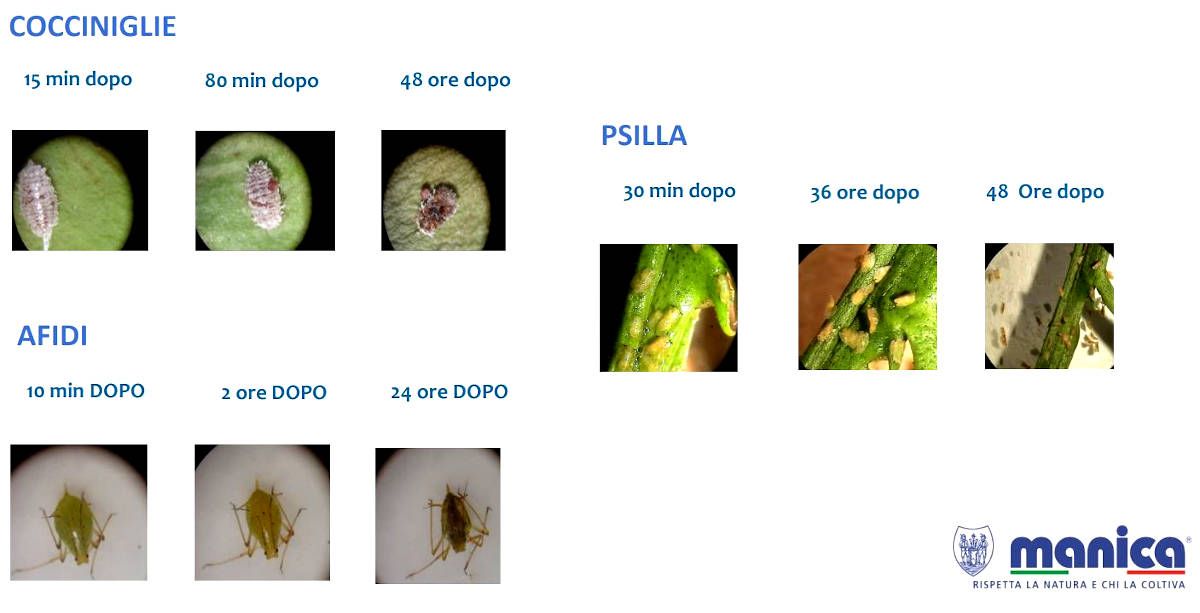
TOMATO, EGGPLANT, PEPPER (in the open field and greenhouse) Whiteflies (Bemisia tabaci, Trialeurodes vaporariorum) Thrips (Thrips spp. etc.)
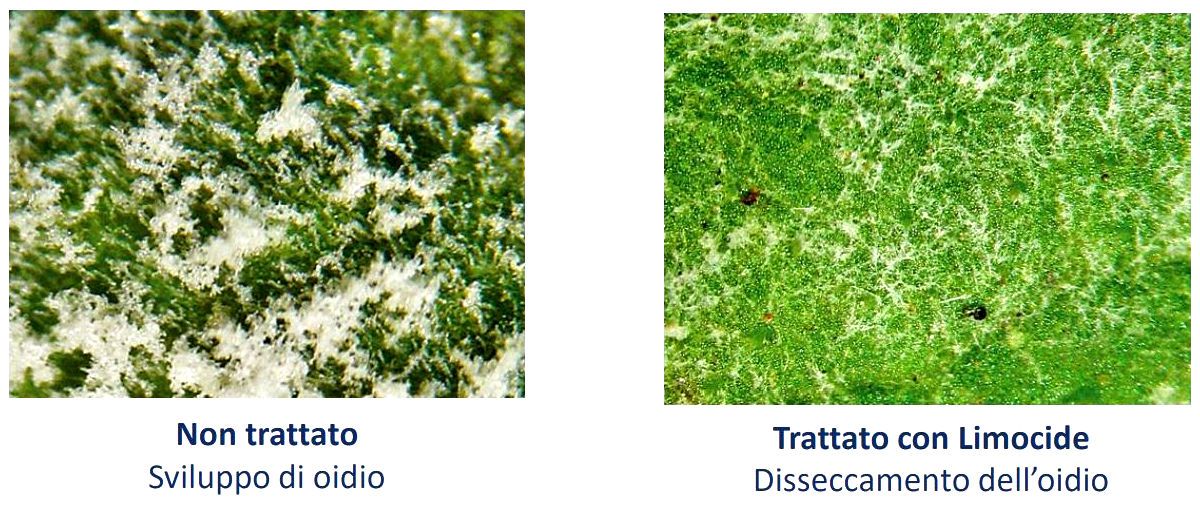
CARROT (in the open field and greenhouse) Powdery mildew (Erysiphe heraclei)
CUCUMBER (in the open field and greenhouse) Powdery mildew (Erysiphe cichoracearum, Sphaerotheca fuliginea), Thrips (Thrips spp. etc.) Whiteflies (Bemisia tabaci, Trialeurodes vaporariorum etc.)
ZUCCHINI, CUCUMBER (in the open field and greenhouse) Powdery mildew (Erysiphe cichoracearum, Sphaerothe cafuliginea) Whiteflies (Bemisia tabaci, Trialeurodes vaporariorum etc.)
MELON (in the open field and greenhouse) Powdery mildew (Erysiphe cichoracearum, Sphaerotheca fuliginea), thrips (Thrips spp. Ecc) Whiteflies (Bemisia tabaci, Trialeurodes vaporariorum)
LETTUCE (in the open field and greenhouse) Powdery mildew (Erysiphe cichoracearum), Downy mildew (Bremia lactucae) Whiteflies (Bemisia tabaci, Trialeurodes vaporariorum)
LEEK Thrips (Thrips tabaci)
CABBAGE (inflorescence, head, kohlrabi) (in the open field and greenhouse) Whiteflies (Aleyrodes brassicae, Aleyrodes proletella, etc.) Thrips (Thrips spp. etc.)
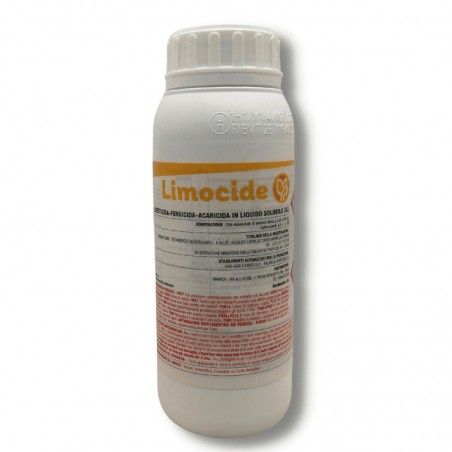
Question: Vorrei sapere se il limocide è miscibile con il bacillus thuringiensis kurstaki. È miscibile anche con l'Oikos? Grazie in anticipo, Cordiali saluti
Marina on 16/04/2024
Question:
limocide può essere efficace oltre che per l'oidio anche per combattere marssonina rosae (macchia nera)? Grazie
Answer:
Buongiorno,
non è riportato in etichetta, e non ho esperienza in merito.
Noi pero' abbiamo una buona esperienza con Ferticus Rame Zolfo un concime che induce resistenza e rinforzo alle piante.
Simone on 25/07/2021
Question:
Buongiorno, quali sono le dosi d'impiego del Limocide?
Answer:
Buongiorno, le dosi vanno dai 200 ai 800 ml per 100 litri d'acqua, a seconda della specie da trattare.


 Allowed in